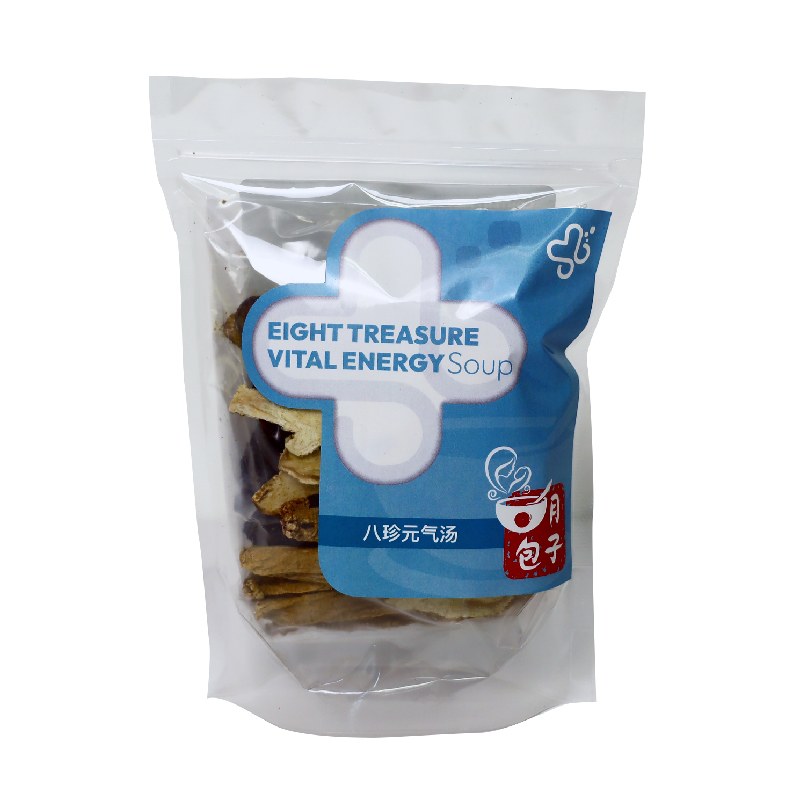
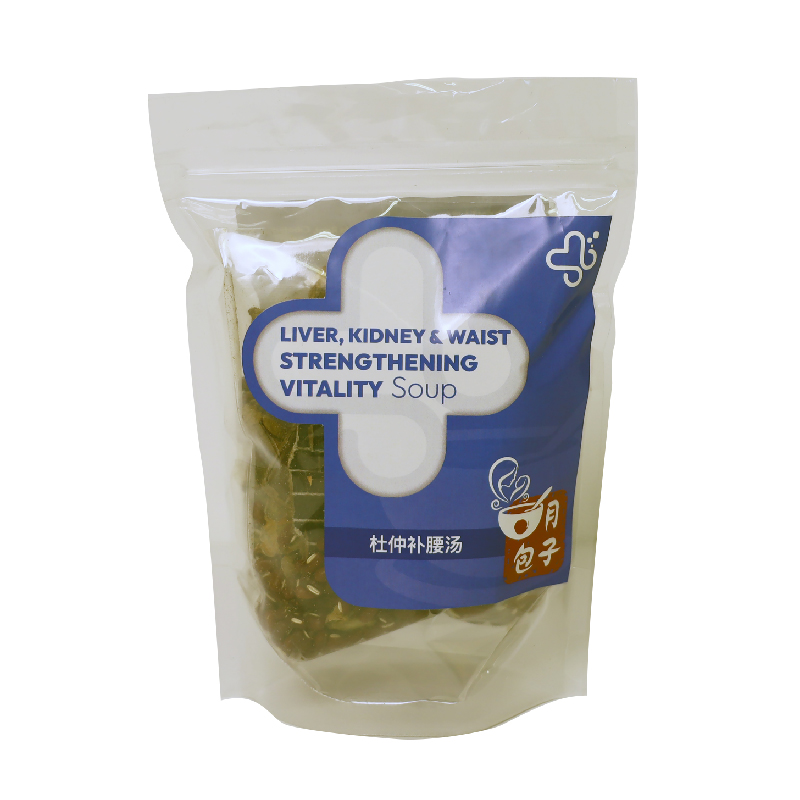
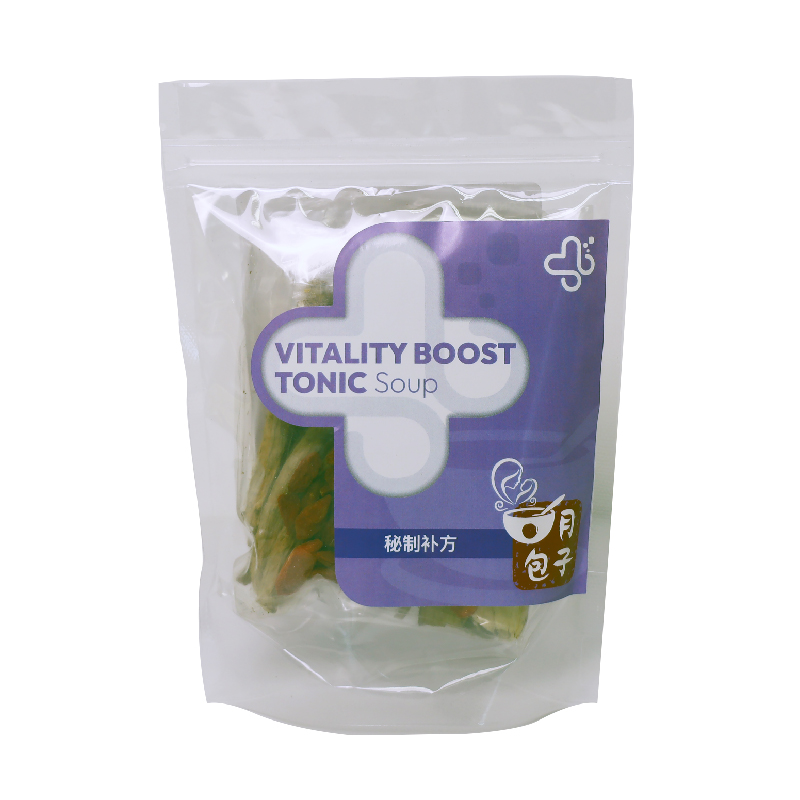
Explore our selection of fertility herbs grounded in Traditional Chinese Medicine (TCM) practices. Formulated to support reproductive health, these herbs may help regulate balance in the body and complement different stages of the fertility journey.
Our physicians carefully formulate each remedy, guided by Traditional Chinese Medicine principles to restore balance and support reproductive health.rt menstrual health and help prepare the body for pregnancy.
The products are selected and prepared in a way that provides customers with clarity of what they are taking.
Our team can provide recommendations on herbs that align with different fertility needs, helping customers make informed decisions.
Fertility herbs in TCM are used as part of a broader approach that may include TCM fertility treatment in Singapore. Unlike medical interventions, herbs are intended to support the body’s natural functions and reproductive health.
Herbal use should be guided properly. Learn how our TCM physicians provide recommendations based on each person’s condition and goals.
Not necessarily, but compatibility depends on the herbs used, dosage, timing, and your existing medications or supplements. Many individuals in Singapore use Chinese herbs for fertility alongside prenatal vitamins, fertility treatment, or obstetric care. However, it is important not to self-prescribe or combine treatments without guidance. Always inform both your obstetrician-gynaecologist and TCM physician about any herbs, supplements, medications, or fertility plans so they can help ensure your care is coordinated appropriately.
Yes. The combination of herbs and acupuncture for fertility may help address different aspects of reproductive health, depending on the individual’s needs.
The herbs recommended may change depending on whether you are preparing for pregnancy, already pregnant, or recovering after childbirth. Before pregnancy, herbs such as Angelica Root (当归), Peony Root (白芍), ginger (生姜), and Astragalus (黄芪) may be discussed to support overall balance and cycle health. During pregnancy, gentler options such as ginger, goji berries (枸杞子), and red dates (红枣) are sometimes considered. Post-pregnancy, herbs are often adjusted to support recovery. As some herbs may not be suitable at certain stages, always consult a TCM physician before self-prescribing.
The timeframe varies between individuals, depending on health history and fertility concerns. Fertility herbs are usually part of a gradual process rather than a quick fix.
It is generally not recommended to adjust your TCM herb dosage without professional advice. Dosage may vary based on your condition, treatment stage, and overall health. If you are also taking supplements, medication, or Chinese herbs for male fertility, consult your TCM physician before making changes.
Yes. Chinese herbs for fertility may be considered by both men and women, as TCM treatment is typically tailored according to individual health patterns, fertility goals, and overall well-being. Men seeking more targeted support may also explore TCM for male infertility in Singapore as part of their broader fertility care plan.
Some TCM herbs may be considered during pregnancy, but suitability depends on the stage of pregnancy, dosage, and individual health needs. Certain herbs may not be appropriate, especially in early pregnancy. Always consult a licensed TCM physician before taking herbal products during pregnancy.
Fertility herbs are not guaranteed to produce specific outcomes and should not replace medical fertility care. Some individuals choose to explore them as part of a broader fertility plan after discussing suitability, expectations, and timing with a licensed TCM physician.
Guided by Medicine, Nurturing Health & Beauty Through TCM
Information