
Supporting Fertility Through Acupuncture in Singapore
Fertility acupuncture in Singapore’s TCM involves stimulating specific points on the body to support reproductive health and restore balance. It is often used to complement fertility treatments and promote overall well-being.

What Acupuncture Does for Fertility
In TCM, acupuncture is used to support fertility by working with the body’s balance, circulation, and stress response. It is sometimes combined with medical treatments to provide additional support during the conception journey.
Regulates Hormonal Activity
Stimulation of specific points may influence hormones related to ovulation and menstrual cycles.
Supports Blood Flow to Reproductive Organs
Regulates circulation to create a more favourable environment for the uterus and ovaries.
Helps Manage Stress
Acupuncture encourages relaxation, which may ease stress that affects fertility.
Who Can Benefit from Fertility Acupuncture?
Fertility acupuncture may be considered by individuals or couples at different stages of their conception journey. It can be used on its own or alongside medical treatments, depending on personal needs.
Women Preparing for Conception
Acupuncture may support menstrual health and help prepare the body for pregnancy.
Couples Undergoing IVF or IUI
Some choose acupuncture as a complementary step during assisted reproductive treatments.
Individuals Managing Stress
Stress can affect fertility. Acupuncture can be used to promote relaxation and balance.
Men Seeking Reproductive Support
Acupuncture may also be recommended to address certain aspects of male fertility, and individuals who would like a more targeted approach may explore TCM for male infertility in Singapore as part of their broader fertility care journey.
Fertility acupuncture may be used as a complementary approach but should not delay medical fertility evaluation, especially after 6–12 months of trying to conceive, recurrent miscarriages, PCOS, endometriosis, irregular cycles, or male fertility concerns.
Fertility Acupuncture Support During IVF or IUI
Fertility acupuncture may be considered by individuals or couples undergoing assisted reproductive treatments such as IVF or IUI. In Traditional Chinese Medicine (TCM), acupuncture is used as a complementary approach to support overall balance, circulation, stress management, and general reproductive wellness throughout the fertility journey.
For those undergoing IVF or IUI, fertility acupuncture should be planned with awareness of the medical treatment timeline. Depending on individual circumstances, sessions may be scheduled before treatment begins, during ovarian stimulation, or around key stages such as egg retrieval, insemination, embryo transfer, and post-transfer recovery.
As fertility treatment plans can vary, patients are encouraged to inform their TCM physician about their fertility schedule, medications, scan dates, and their fertility specialist’s advice so that care can be coordinated appropriately. Fertility acupuncture should not replace medical fertility treatment or delay fertility evaluation where needed.
Planning Acupuncture Around Your IVF or IUI Timeline
If you are considering fertility acupuncture during IVF or IUI, timing and communication are important. Your TCM physician may adjust session frequency and treatment approach according to where you are in your treatment cycle. This includes discussing whether you are preparing for treatment, undergoing medication protocols, approaching embryo transfer, or in the waiting period after treatment. Patients should also inform both their fertility specialist and TCM physician about any prescribed medications or herbal products to help minimise unintended overlap in care.
Complementary Support, Not a Replacement for Fertility Care
Fertility acupuncture is intended to complement, not replace, assisted fertility treatment. Decisions relating to IVF or IUI protocols, medication use, embryo transfer timing, and fertility investigations should continue to follow guidance from your fertility specialist. If TCM herbs are being considered alongside treatment, it is advisable to discuss this with both healthcare providers so your care plan remains aligned.
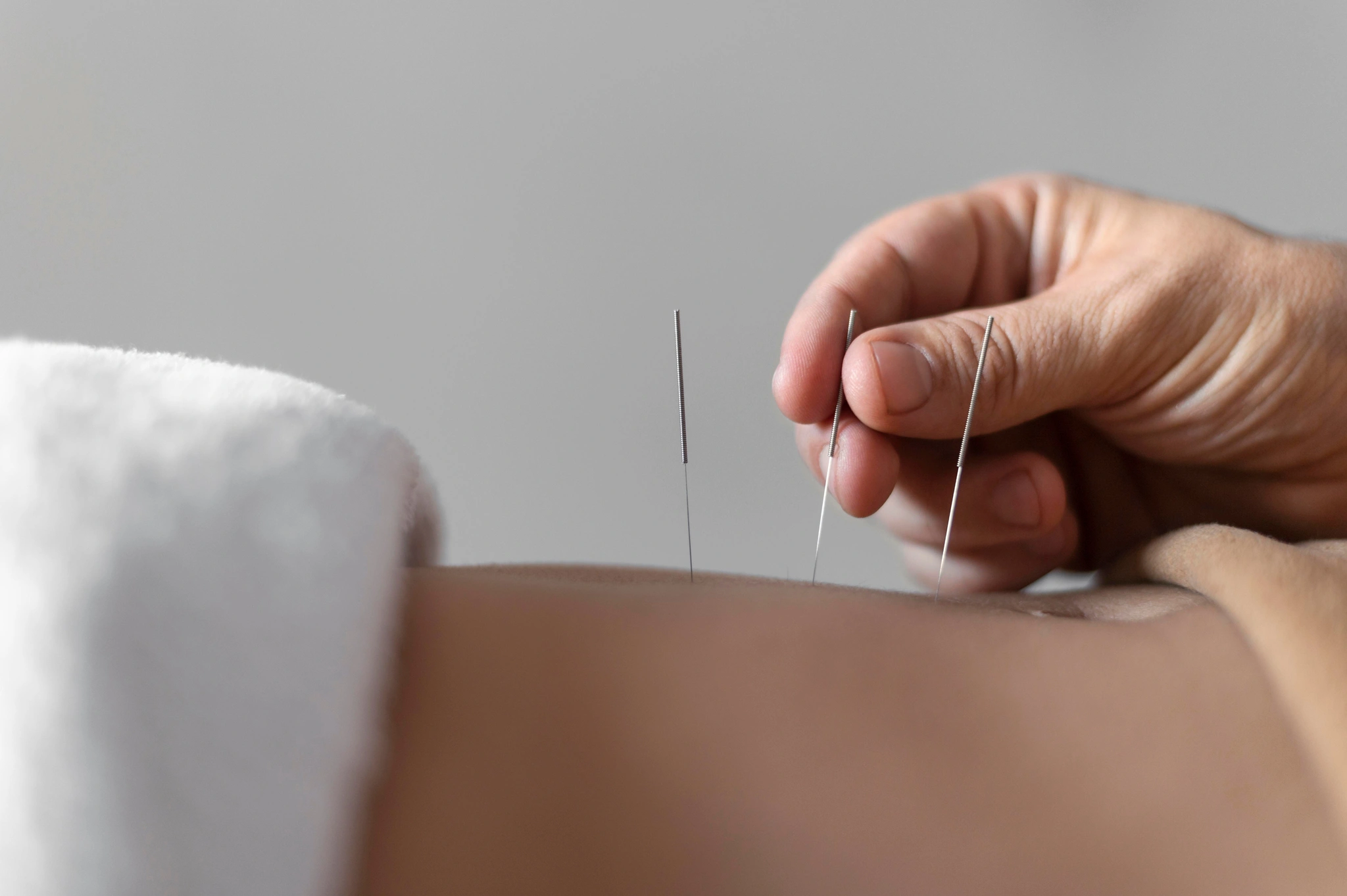
How is Fertility Acupuncture Performed?
Fertility acupuncture involves the use of fine needles placed at specific points on the body. The process is designed to manage reproductive health and blood circulation as part of fertility care.
Initial Consultation
Before treatment begins, a consultation is conducted to understand health history, cycle patterns, and fertility goals.
Selection of Acupuncture Points
The physician identifies points linked to reproductive health, stress regulation, and overall balance.
Needle Insertion
Thin needles are gently inserted into the chosen points. The process is generally well tolerated, with minimal discomfort.
Resting Period
Patients usually rest for 20–30 minutes while the needles remain in place, allowing the body to respond.
Follow-Up Sessions
Depending on the plan, acupuncture may be scheduled regularly, either on its own or alongside treatments such as IVF or IUI.
Are There Risks or Side Effects to Fertility Acupuncture?
Fertility acupuncture is usually well tolerated when carried out by TCM physicians. Most people notice only mild sensations during needle insertion. Occasionally, minor effects such as slight bruising, light bleeding, or temporary soreness at the needle sites may occur. A consultation is conducted beforehand to determine if the treatment is appropriate for each individual.
What to Expect for Recovery & Aftercare for Fertility Acupuncture
Recovery after fertility acupuncture is usually uncomplicated in Singapore. Most people return to normal activities the same day, though a few simple steps can support comfort and adjustment.
Temporary Reactions
Mild effects such as light soreness, small bruises, or slight bleeding at the needle sites may occur but usually fade quickly.
Rest and Fluids
Taking time to rest and staying hydrated helps the body adjust after a session.
Daily Activities
It is advisable to avoid strenuous exercise, alcohol, or caffeine immediately after treatment to allow the body to settle.
Ongoing Care
Follow-up appointments may be recommended based on individual fertility needs, sometimes in combination with medical procedures like IVF or IUI.
Are there Alternatives to Fertility Acupuncture
Fertility acupuncture is one approach within TCM, but other options may also be considered. These can be used individually or combined, depending on personal circumstances.
Herbal Remedies
Traditional Chinese Medicine herbs for fertility are often prescribed to support reproductive health and balance in the body. They may be recommended as part of a personalised fertility plan.
Dietary Adjustments
Guidance on food choices may be provided to align with TCM principles, supporting digestion, circulation, and reproductive health.
Lifestyle Guidance
Recommendations on rest, stress management, and exercise can play a part in overall well-being and may complement other fertility care options.
Related Conditions to Acupuncture
Acupuncture may be considered for a range of health concerns in TCM. It is often applied in areas such as fertility, pregnancy, pain management, and weight support.
Fertility & Reproductive Health
Acupuncture can form part of care for infertility. It may be used to support menstrual cycles, ovulation, and general reproductive health.
Pregnancy & Postnatal
During pregnancy, acupuncture may be applied for selected prenatal conditions. It can also be included in recovery care for postnatal conditions.
Pain Conditions
It is commonly sought for pain conditions, including muscle tension, joint discomfort, and headaches.
Weight Concerns
Acupuncture may be part of care for unintended weight gain, often combined with dietary or lifestyle guidance.
FAQs About Acupuncture for Fertility
Acupuncture often raises questions about how it works, what to expect, and how much it costs. Below are answers to some of the most common concerns.
Can fertility acupuncture help if I am trying to conceive naturally?
Fertility acupuncture may be considered by individuals or couples who are trying to conceive naturally. In TCM, treatment is typically tailored based on individual patterns and may focus on supporting overall reproductive wellness, cycle regulation, stress management, and general body balance. Fertility acupuncture should not delay medical fertility evaluation, especially if conception has not occurred after an appropriate period of trying or if there are known fertility concerns.
Can fertility acupuncture be done together with IVF or IUI?
Yes, fertility acupuncture may be considered alongside assisted reproductive treatments such as IVF or IUI as a complementary approach. Treatment planning should take into account medication schedules, monitoring appointments, and key stages such as ovarian stimulation, insemination, egg retrieval, or embryo transfer. Patients are encouraged to inform both their fertility specialist and TCM physician so care can be coordinated appropriately.
When should I start fertility acupuncture before IVF or trying to conceive?
There is no single timeline that applies to everyone. Some individuals choose to begin fertility acupuncture before actively trying to conceive or before starting IVF, while others start during treatment. The timing and frequency of sessions are usually determined based on individual goals, menstrual patterns, treatment schedules, and advice from both the TCM physician and fertility specialist.
Is fertility acupuncture safe during the two-week wait or early pregnancy?
The two-week wait and early pregnancy period can feel uncertain for many individuals. If you are considering fertility acupuncture during this stage, it is important to inform your TCM physician about possible pregnancy, fertility medications, and recent procedures so treatment can be adjusted appropriately. If you are also taking Chinese herbs for fertility, these should be disclosed to both your TCM physician and fertility specialist to support coordinated care.
Should I see a fertility doctor before trying fertility acupuncture?
Fertility acupuncture may be used as a complementary option, but medical fertility assessment remains important in certain situations. Individuals who have been trying to conceive for 6–12 months, have recurrent miscarriages, irregular cycles, known conditions such as PCOS or endometriosis, or male fertility concerns may benefit from seeing a fertility doctor so underlying factors can be assessed early.
Can fertility acupuncture support irregular periods or ovulation concerns?
In TCM, irregular menstrual cycles and ovulation concerns are often assessed as part of an individual’s overall pattern of health rather than as isolated symptoms. Fertility acupuncture may be considered as part of a broader care plan to support reproductive wellness. Patients experiencing persistent cycle irregularities should also consider medical evaluation to identify potential underlying causes.
Can men also consider fertility acupuncture for reproductive support?
Yes, fertility support is not limited to women. Male reproductive health may also be considered as part of fertility planning, particularly where there are known concerns or prolonged difficulty conceiving. Individuals who would like a more targeted approach may also explore TCM for male infertility in Singapore as part of their broader fertility care journey.
What should I tell the TCM physician before starting fertility acupuncture?
Before starting fertility acupuncture, it is helpful to share relevant information such as how long you have been trying to conceive, menstrual patterns, previous pregnancies or miscarriages, fertility test results, IVF or IUI plans, medications, supplements, and any ongoing medical conditions. Providing a fuller picture allows treatment planning to be adjusted more appropriately.
Does fertility acupuncture hurt?
Many people trying fertility acupuncture for the first time worry that the treatment may be painful or stressful, especially when fertility treatment already involves frequent appointments and procedures. In practice, acupuncture needles are very fine, and treatment is generally described as causing minimal discomfort. Some individuals notice sensations such as warmth, heaviness, tingling, or relaxation during the session. If you feel anxious, have concerns about sensitivity, or are undergoing fertility treatment concurrently, discuss this with your TCM physician so the treatment approach can be adjusted to your comfort level.
Is fertility acupuncture a replacement for medical fertility treatment
Fertility acupuncture should not be viewed as a guaranteed way to achieve pregnancy or as a substitute for fertility assessment and treatment. Fertility outcomes can be influenced by many factors, including age, reproductive health, ovulation, sperm factors, and underlying medical conditions. Fertility acupuncture is generally considered a complementary approach that may support overall reproductive wellness as part of a broader fertility journey. If there are known fertility concerns or prolonged difficulty conceiving, timely medical evaluation remains important.