
Key Takeaways:
- Changes in ovulation timing can occur due to stress, fatigue, hormonal fluctuation, lifestyle shifts, or broader menstrual cycle imbalance.
- Consistently delayed, early, or unpredictable cycles may make it harder to identify fertile windows and understand reproductive patterns.
- Traditional Chinese medicine evaluates the cycle’s rhythm by assessing the balance of Qi, blood, Yin, and Yang across the different phases of the menstrual cycle.
- Personalised support approaches may include acupuncture, herbal medicine, lifestyle guidance, and broader cycle assessment based on individual patterns.
Why Ovulation Timing Does Not Always Follow a Fixed Pattern
Many women expect ovulation to happen at exactly the same point every month. In reality, the menstrual cycle is often more variable than it appears. Even in women with fairly regular periods, ovulation can still occur slightly earlier or later from one cycle to the next.
When cycles suddenly become longer, shorter, or more difficult to predict, it can feel unsettling, especially for those trying to conceive. Some variation in ovulation timing is completely normal; consistently shifting patterns may reflect broader changes within the menstrual cycle itself. Understanding the factors that influence this timing, and how traditional Chinese medicine views these changes, can provide a clearer and more balanced perspective on overall reproductive health.
What Ovulation Usually Looks Like in a Healthy Cycle
Ovulation generally occurs around the middle of the menstrual cycle, though the exact timing can vary from one woman to another depending on overall cycle length.
In a 28-day cycle, ovulation often happens around day 14. For women with longer cycles, ovulation may occur later, while those with shorter cycles may ovulate earlier. This variation is often a normal part of how the body regulates reproductive function.
Rather than viewing ovulation as a single fixed day, it is more helpful to understand it as part of a carefully coordinated process involving:
- Follicle development within the ovaries
- Hormonal signalling between the brain and reproductive organs
- Release of the egg
- Preparation of the uterine lining for possible implantation
When these processes remain relatively stable from month to month, the cycle tends to follow a more predictable rhythm. Even so, slight fluctuations can still occur naturally from time to time.
This becomes particularly important when considering ovulation timing for fertility, since the fertile window largely depends on when ovulation occurs within the cycle.
Why the Timing Can Change From Month to Month
Not every change in the menstrual cycle signals a serious problem. The timing of ovulation can shift occasionally in response to everyday physical, emotional, or hormonal changes, even in women who usually have fairly regular cycles.
In many cases, the body is simply responding to temporary stressors or internal adjustments rather than a long-term reproductive issue. However, when these shifts occur repeatedly over several months, they may begin to affect overall cycle predictability and fertility tracking.
Some common factors linked to changes in ovulation cycles include:
Stress and Emotional Strain
Emotional stress can influence the hormonal communication between the brain and ovaries. Periods of prolonged tension, anxiety, emotional overwhelm, or burnout may sometimes delay ovulation or contribute to less predictable cycles.
For some women, stressful periods are accompanied by noticeably later periods, changing PMS symptoms, or fluctuations in cycle length. This often reflects how closely reproductive hormones are connected to the body’s wider stress response system.
Sleep Disruption and Fatigue
Sleep plays an important role in hormonal regulation. Shift work, irregular sleep schedules, poor sleep quality, or persistent exhaustion may interfere with the body’s reproductive signalling over time.
Women experiencing ongoing fatigue or disrupted circadian rhythms sometimes notice that their cycles gradually become harder to predict. In some cases, ovulation may occur later than usual, particularly during periods of physical exhaustion or inconsistent daily routines.
Illness, Travel, or Sudden Lifestyle Changes
The body often responds to physical stress by temporarily shifting its priorities. Illness, intense exercise, rapid weight fluctuation, dietary changes, or long-distance travel may all influence when ovulation occurs within a given cycle.
Even temporary disruptions, such as recovering from a viral illness, crossing time zones, or experiencing sudden changes in routine, may affect cycle timing that month. While these shifts are often temporary, repeated disruption can sometimes affect overall cycle consistency over time.
Hormonal Fluctuation
Ovulation depends on a delicate sequence of hormonal changes involving oestrogen, luteinising hormone, and follicle development. Even subtle shifts within this process may influence whether ovulation occurs earlier, later, or less consistently from month to month.
Women experiencing irregular ovulation may notice greater variation in cycle length and fertile window timing, which can make fertility tracking feel more uncertain or difficult over time. In some cases, ovulation may not occur at all during certain cycles, particularly when hormonal signalling becomes significantly disrupted.
Signs That the Timing May Have Shifted
Changes in ovulation timing are often noticed through broader cycle patterns rather than a single symptom. For some women, these changes happen gradually over time. Others only become aware of them when they begin tracking their cycles more closely while trying to conceive.
Possible signs may include:
- Changes in overall cycle length
- Fertile cervical mucus appearing earlier or later than usual
- A delayed or inconsistent basal body temperature rise
- Periods becoming harder to predict
- Cycles that suddenly become noticeably shorter or longer
- Shifts in PMS symptoms or timing
- Difficulty identifying fertile days consistently
In some cases, women experiencing delayed ovulation may also notice that their period arrives later than expected or that ovulation signs vary significantly from month to month. Since there can be many possible causes of late ovulation, looking at recurring patterns across several cycles often provides more useful insight than focusing on a single month in isolation.
How TCM Understands Ovulation Timing
In Traditional Chinese Medicine (TCM), ovulation is viewed as part of a continuous, carefully coordinated transition within the menstrual cycle rather than as a single, isolated event.
TCM understands the cycle through the balance and movement of:
- Qi
- Blood
- Yin
- Yang
Each phase of the cycle is believed to reflect changing relationships between these elements. Ovulation, in particular, is regarded as an important turning point where Yin gradually transforms into Yang. This shift supports the release of the egg while preparing the body for the luteal phase that follows.
When the body moves smoothly through these transitions, the cycle often feels more regular and predictable. However, if the internal balance becomes disrupted, ovulation timing may also become less consistent.
Rather than focusing only on hormone levels or ovulation dates alone, TCM looks at how the entire cycle functions as an interconnected process. Factors such as menstrual flow, cycle length, physical symptoms, energy levels, sleep, digestion, and emotional patterns may all be considered together when assessing reproductive health.
TCM Patterns Associated With Timing Changes
In TCM, changes in ovulation timing are not viewed as a one-size-fits-all issue. Different underlying patterns may influence the menstrual cycle in different ways, which is why two women with similar symptoms may still receive different treatment approaches.
Rather than focusing solely on the cycle length itself, TCM looks at the broader pattern of symptoms, energy balance, and the body’s movement through each phase of the menstrual cycle.
Liver Qi Stagnation
Emotional stress, frustration, mental strain, or prolonged tension may affect the smooth movement of Qi throughout the body.
When Qi flow becomes constrained, the menstrual cycle may lose some of its regular rhythm, potentially contributing to delayed or inconsistent ovulation. Some women may also notice symptoms becoming more pronounced during periods of stress.
Associated signs may include:
- Breast tenderness
- Mood fluctuations
- Premenstrual irritability
- A sensation of tightness or emotional frustration
- Variable cycle timing from month to month
Blood Deficiency
In TCM theory, blood plays an important nourishing role in reproductive health and menstrual function.
When the body is considered insufficiently nourished, follicle development may take longer, which may contribute to delayed ovulation or longer cycles. Women with this pattern sometimes report feeling depleted or fatigued throughout different stages of the cycle.
Associated symptoms may include:
- Fatigue
- Dizziness
- Lighter menstrual flow
- Dry skin or dryness
- Poor concentration or low energy
Kidney Deficiency
The Kidney system in TCM is closely associated with reproductive function, ageing, and long-term reproductive vitality.
When this system becomes weakened, ovulation timing may gradually become less predictable. This pattern is sometimes observed in women experiencing chronic exhaustion, prolonged stress, ageing-related cycle changes, or long-term reproductive strain.
Some women may also notice lower back weakness, reduced energy levels, or increasing cycle irregularity over time.
Phlegm-Damp Accumulation
TCM also considers whether internal obstruction may interfere with the smooth progression of the menstrual cycle.
Phlegm-damp patterns are often associated with feelings of heaviness, sluggish circulation, or a sense that the body’s internal movement has become less efficient. In some women, this may contribute to irregular menstrual cycles or disrupted follicular development.
Associated signs may include:
- Bloating or heaviness
- Fatigue
- Increased mucus or discharge
- A feeling of sluggishness
- Weight fluctuation or digestive discomfort
How TCM Approaches Support for Ovulation Timing
TCM approaches to ovulation timing generally focus on supporting the overall rhythm and balance of the menstrual cycle rather than concentrating on ovulation as a standalone event.
Treatment plans are personalised according to the individual’s cycle patterns, symptoms, constitution, lifestyle factors, and fertility goals. The aim is to better understand what may be contributing to irregularity throughout the cycle.
Acupuncture for Cycle Regulation
Acupuncture may be used as part of fertility support to encourage the movement of Qi and blood throughout different phases of the menstrual cycle. In some cases, treatment timing is adjusted according to whether the body is in the follicular, ovulatory, or luteal phase.
Some women choose to incorporate acupuncture while tracking ovulation naturally, while others may use it alongside assisted reproductive treatments such as IVF or IUI. Sessions are often adjusted over time based on how the cycle responds and whether patterns begin to stabilise.
Herbal Medicine Based on Individual Patterns
Chinese herbal medicine may be prescribed as part of fertility support according to the specific TCM pattern identified during consultation, rather than based on cycle irregularity alone.
For example:
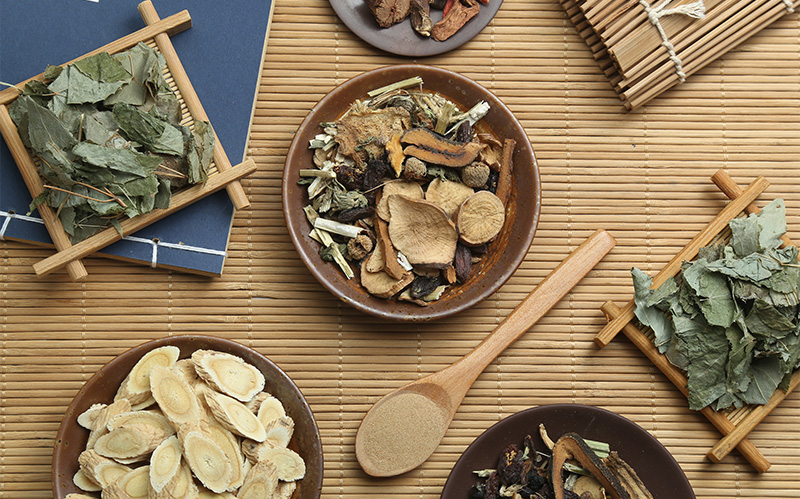
- Herbs such as Chai Hu may be included in formulations associated with Liver Qi stagnation
- Dang Gui and Shu Di Huang may be used in blood-nourishing formulations
- Tu Si Zi may be considered in Kidney-related reproductive support
Some women may incorporate Chinese herbs alongside acupuncture or broader cycle regulation support, depending on their individual presentation and reproductive goals.
Herbal formulas are typically reviewed and adjusted over time according to cycle changes, symptom progression, and overall response.
Lifestyle and Cycle-Based Support
TCM also places importance on daily habits and their influence on the reproductive balance over time. Areas such as sleep quality, stress management, nutrition, warmth, rest and physical exhaustion may all be discussed as part of a wider cycle support.
Rather than viewing fertility through a single symptom or hormone level alone, this approach reflects the understanding that reproductive health is closely connected to the body’s overall internal balance and long-term wellbeing.
Why Timing Matters When Trying to Conceive
For women trying to conceive, the timing of ovulation plays an important role in identifying the fertile window. Since the egg remains viable for only a relatively short period after ovulation, even small shifts in timing can affect when conception is most likely to occur.
When ovulation becomes unpredictable, tracking fertile days may feel more difficult or less reliable. Delayed ovulation can lengthen the menstrual cycle, while earlier ovulation may shorten the window for fertilisation in a given month.
In some cases, inconsistent timing of ovulation may also indicate wider changes affecting reproductive function, including:
- Follicle development
- Hormonal rhythm
- Preparation of the uterine lining
- Overall cycle stability
This is why fertility-focused assessments often look beyond menstruation alone. Observing ovulation patterns across several cycles may provide a clearer understanding of how consistently the reproductive cycle is functioning over time.
Who May Benefit From Support for Ovulation Timing
Support for ovulation timing may be considered by women experiencing:
- Irregular cycles
- Difficulty predicting ovulation
- Long or short menstrual cycles
- Repeated variation in cycle timing
- Challenges in identifying fertile windows
- Delayed ovulation patterns
- Ongoing attempts to conceive despite an inconsistent cycle rhythm
Some women may also explore additional support while preparing for IVF or IUI treatment, or when trying to better understand recurring menstrual irregularities that have persisted over time.
At 1TCM, fertility-focused care may involve personalised assessment, acupuncture, herbal medicine, and a broader cycle evaluation informed by individual symptoms, menstrual history, and reproductive goals. Women seeking support through a TCM fertility clinic often benefit from a more comprehensive understanding of how different aspects of the menstrual cycle interact over time.
When Changes in the Timing Should Be Reviewed Further
Occasional variation in the menstrual cycle is common and does not always indicate a serious reproductive concern. Many women experience temporary shifts in cycle timing during periods of stress, illness, travel, or lifestyle change.
However, further assessment may be worthwhile if you notice:
- Persistently irregular ovulation
- Cycles becoming significantly longer or shorter over time
- Difficulty identifying ovulation across several months
- Repeated absence of ovulation signs
- Ongoing fertility concerns
- Noticeable menstrual changes accompanied by pain, unusually heavy bleeding, or worsening symptoms
Looking at cycle patterns over several months often provides a clearer picture than focusing on a single irregular cycle. Persistent changes may sometimes reflect a broader hormonal or reproductive imbalance that benefits from further evaluation and support.
Understanding Ovulation Timing as Part of Overall Cycle Health
While tracking ovulation timing can feel frustrating, especially when actively trying to conceive, remember that these shifts are indicators connected to the body’s overall regulation of the menstrual cycle, rather than stemming from ovulation alone. Focusing on recurring patterns over several months provides the clearest insight into cycle consistency and reproductive health.
At 1TCM, fertility-focused care looks at menstrual patterns, ovulation rhythm, lifestyle factors, and individual TCM presentation as part of a broader approach to reproductive wellbeing. If you have been experiencing persistent cycle irregularity or difficulty tracking ovulation, schedule a consultation with 1TCM to better understand your cycle patterns and explore personalised fertility support options.
Frequently Asked Questions About Ovulation Timing
Is the timing supposed to be exactly the same every month?
Not necessarily. Minor variation from one cycle to another is quite common, even among women with generally regular periods. However, repeated or significant shifts in timing may sometimes reflect broader hormonal or menstrual cycle imbalance.
Can stress delay ovulation?
Yes. Ongoing emotional or physical stress may influence the hormonal signalling involved in ovulation. Some women notice delayed periods or changes in their cycle patterns during particularly stressful times in life.
Does late ovulation always mean infertility?
No. Many women with delayed ovulation are still able to conceive naturally. However, consistently delayed or unpredictable ovulation may make it harder to identify fertile days accurately and may warrant further assessment if conception has been difficult.
Can short cycles affect ovulation timing?
Yes. Shorter cycles may be linked to earlier ovulation, which can shorten the fertile window in a given cycle. In some cases, shorter cycles may also affect the timing of egg development and uterine preparation.
How is ovulation seen in TCM?
TCM views ovulation as an element of a broader transition within the menstrual cycle, involving the balance and movement of Yin, Yang, Qi and blood. Instead of focusing solely on hormone levels, TCM considers the body’s movement through each phase of the cycle as an interconnected process.