
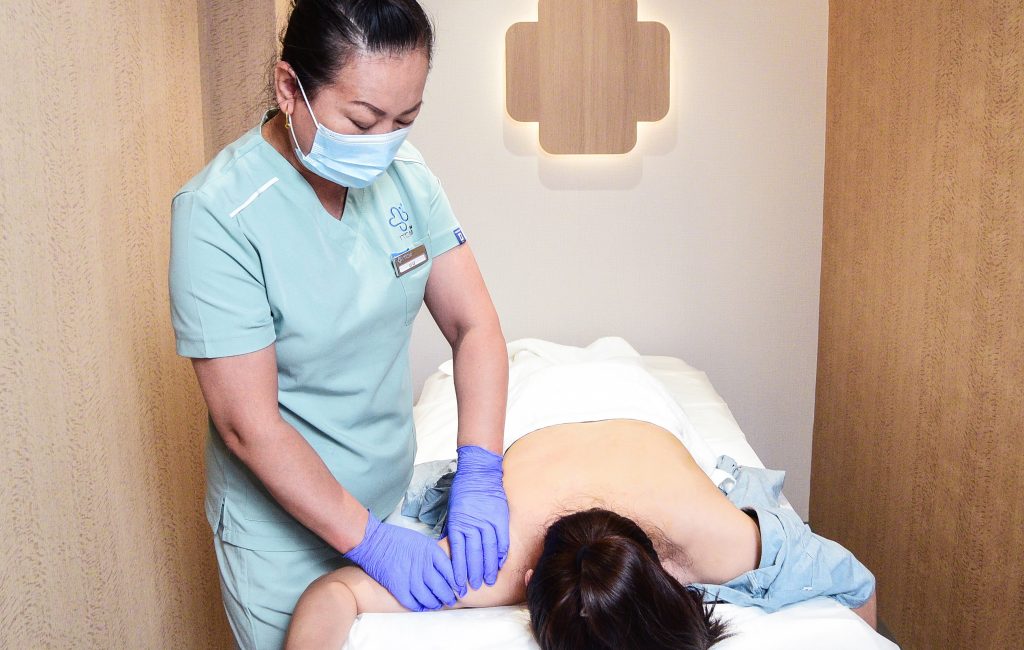
Tuina massage is a hands-on therapy within Traditional Chinese Medicine (TCM) that focuses on supporting circulation, and releasing muscle tension. For individuals experiencing back pain, Tuina techniques are applied along specific areas of tension to help ease stiffness and support mobility.
Treatment may be adapted depending on the area of discomfort, including concerns related to upper back pain, middle back pain, or lower back pain. Pressure and techniques are adjusted based on individual assessment, with the aim of addressing both local discomfort and contributing patterns over time.
Key benefits of TCM Tuina include:
Traditional Chinese Medicine approaches back pain by looking at how muscular tension, circulation, posture, and daily habits interact. Rather than focusing only on the site of discomfort, TCM-based back pain care considers contributing patterns that may influence how pain develops or persists.
Back pain is often assessed based on where discomfort occurs and how it changes with movement or rest. Practitioners differentiate between areas such as upper back, middle back, and lower back, as each area may be linked to different postural or lifestyle factors.
TCM therapies aim to support circulation and reduce areas of muscular tightness that can restrict movement. By easing tension along affected regions, back pain care focuses on improving comfort and supporting everyday mobility.
Daily activities such as prolonged sitting, repetitive movements, or physical strain can influence back discomfort. TCM assessment often includes a review of posture, work habits, and rest patterns, particularly for individuals experiencing recurring lower back pain.
Treatment selection is based on individual presentation rather than a fixed protocol. Techniques such as Tuina, acupuncture, or cupping may be used in combination to support balance across the body, with attention given to both local discomfort and related patterns affecting back pain.
Back discomfort can present in different areas of the spine, each influenced by posture, daily movement, and physical strain. Traditional Chinese Medicine looks at how location, duration, and lifestyle factors interact to understand patterns behind back pain.
Upper back pain is often associated with prolonged desk work, shoulder tension, or stress-related muscle tightness. TCM assessment considers posture, breathing patterns, and muscular strain in the neck and shoulder region when reviewing discomfort in this area.
Middle back pain may be linked to muscular imbalance, repetitive movements, or sustained postural load. This area is assessed in relation to spinal alignment and daily activity patterns that place strain on the mid-back over time.
Lower back pain is commonly associated with prolonged sitting, physical exertion, or reduced core support. TCM assessment reviews movement habits, rest patterns, and physical strain to understand contributing factors behind recurring or persistent discomfort.
TCM back pain treatments may be considered by individuals whose daily routines, physical demands, or recovery needs contribute to ongoing discomfort. Suitability is assessed based on pain patterns, activity levels, and overall wellbeing rather than symptoms alone.
People experiencing persistent or recurring back pain may explore TCM care as part of a broader approach to managing muscular tension and circulation. This includes discomfort that fluctuates with posture, activity, or prolonged sitting.
Long hours at a desk, limited movement, and sustained screen use can contribute to upper back pain or stiffness through the shoulders and spine. TCM assessment often considers workstation habits, posture, and daily movement patterns common in office-based roles in Singapore.
Repetitive movements, heavy lifting, or physically demanding work can place strain on the spine, leading to lower back pain or muscular tightness. TCM back pain treatments may be considered as part of ongoing care to support recovery between periods of physical exertion.
Those recovering from physical strain or minor injury may experience lingering tension or discomfort, including middle back pain linked to compensatory movement patterns. TCM assessment focuses on how the body adapts after stress and how balance can be supported during recovery.
TCM back pain treatment follows a personalised and integrated approach that focuses on understanding pain patterns, daily movement, and contributing lifestyle factors. Care is adjusted over time based on individual response rather than a fixed treatment plan.
Treatment begins with an assessment of where back pain occurs, how it changes with movement or rest, and how daily activities such as work posture or physical strain may contribute. This helps guide treatment selection for different areas, including upper back pain, middle back pain, or lower back pain.
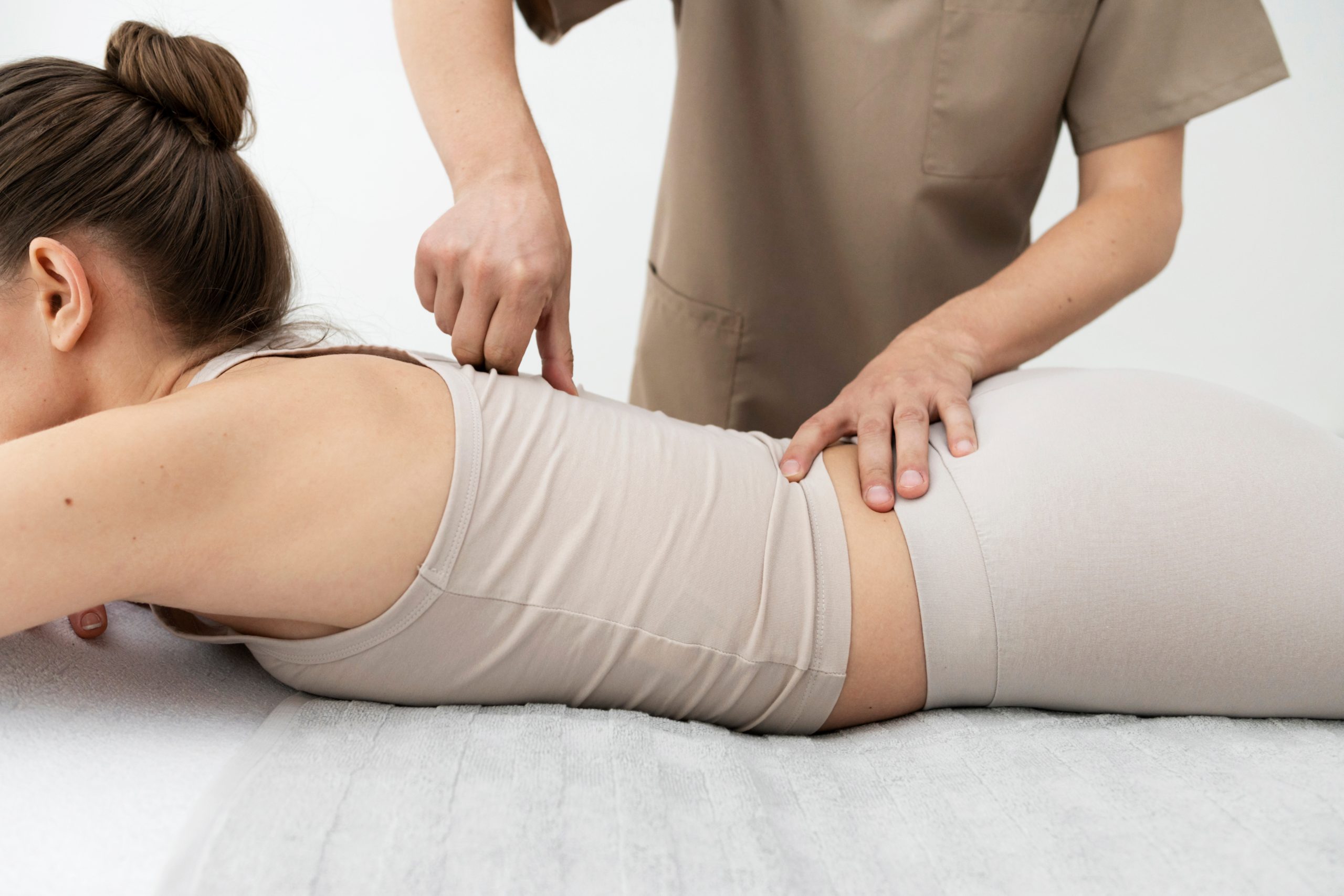
Therapeutic Tuina is introduced as the primary hands-on approach for relieving back discomfort. Techniques such as pressing, kneading, and stretching are applied along affected areas to support circulation and ease muscular tension associated with back pain.
Where appropriate, Tuina may be combined with other TCM techniques such as acupuncture or cupping. These are selected based on individual assessment to complement manual therapy and support circulation, relaxation, and overall balance.
Progress is reviewed periodically, and treatment intensity or frequency may be adjusted. This ensures that care remains aligned with changes in pain patterns, activity levels, and recovery needs over time.

TCM back pain treatment is tailored to individual assessment, and responses may vary. Some people may experience temporary sensations such as mild soreness or fatigue as the body adjusts. Sharing relevant health information during consultation helps ensure care remains appropriate and well managed.

After TCM back pain treatment, aftercare focuses on supporting the body as it adapts to therapy and daily movement. Guidance is typically simple and aimed at maintaining comfort and balance between sessions.
Some individuals may notice temporary sensations such as mild soreness, muscle fatigue, or stiffness after a session. These responses vary and are usually monitored during follow-up, especially for those managing back pain affecting daily activity.
Aftercare may include general advice on posture, lifting habits, and movement patterns. Paying attention to these areas can help manage upper back pain, middle back pain, or lower back pain linked to work or daily routines.
Follow-up sessions allow physicians to review how the body is responding and adjust care accordingly. Session frequency and duration are guided by individual presentation and comfort levels over time.
If discomfort feels unusual or persists beyond expected adjustment, individuals are encouraged to raise concerns during follow-up or contact the clinic for guidance. Open communication supports appropriate aftercare throughout treatment.
Managing back pain often involves a combination of daily habits and timely assessment. Simple adjustments to posture, movement, and routine can help reduce strain and support overall comfort.
Workstation setup and daily posture play a significant role in spinal strain. Adjusting chair height, screen position, and desk layout, along with taking regular movement breaks, may help reduce upper back pain and tension linked to prolonged sitting.
Regular, low-impact movement supports flexibility and circulation. Gentle stretching and mindful movement can help manage stiffness associated with middle back pain or discomfort caused by prolonged inactivity.
Stress can contribute to muscle tightness, particularly across the shoulders and lower spine. Managing stress levels through rest, breathing awareness, or light physical activity may help reduce tension linked to lower back pain.
When discomfort persists or recurs despite lifestyle adjustments, early assessment can help identify contributing factors. Addressing back pain early may prevent further strain and support more consistent daily movement.
Back discomfort is often influenced by overlapping physical and lifestyle factors. In TCM, back pain is reviewed alongside related conditions to better understand strain patterns, recovery needs, and overall pain management considerations.
Muscle tightness, joint stiffness, and postural strain can contribute to recurring upper back pain, middle back pain, or lower back pain. These issues are commonly linked to prolonged sitting, repetitive movement, or physical exertion and are assessed together when reviewing overall spinal discomfort.
Excess body weight may place additional load on the spine, affecting posture and movement patterns. An overweight condition can therefore contribute to ongoing back pain, particularly in the lower back, where mechanical strain is more pronounced during daily activities.
After childbirth, physical recovery demands and changes in posture can affect spinal comfort. Postnatal conditions, such as muscle fatigue, altered movement habits, or changes in pelvic alignment, may contribute to back discomfort during daily caregiving routines and recovery periods.
In some cases, postnatal back discomfort is reviewed alongside pelvic balance, as shifts in the pelvic region can influence posture and load distribution across the spine. Supportive approaches may include therapist-led pelvic-focused techniques or physician-guided pelvic realignment, depending on individual assessment and recovery needs.
During pregnancy, shifts in body weight and posture can place additional stress on the back. Prenatal conditions associated with physical adaptation and reduced mobility may lead to temporary back discomfort, which is considered carefully within individual assessment.
From a TCM perspective, back pain in women is often viewed in relation to circulation, muscular tension, stress levels, and hormonal rhythms. Daily responsibilities, posture, and emotional load may also influence how pain develops or persists. This broader view is commonly reflected in TCM for women’s health, where back discomfort is assessed alongside lifestyle and internal balance rather than in isolation.
TCM assessment considers the location and nature of discomfort, as different areas of the back are often influenced by different contributing factors. Upper back pain may be linked to posture or stress-related tension, middle back pain to muscular imbalance or repetitive movement, and lower back pain to physical strain or prolonged sitting. Treatment is adjusted accordingly based on individual presentation.
A session usually begins with a brief review of symptoms, daily activities, and recent strain. Hands-on therapies such as Tuina are commonly applied to areas of tension, and supporting techniques like acupuncture or cupping may be introduced where appropriate. The focus remains on comfort, circulation, and gradual support rather than immediate results.
The number of sessions varies depending on factors such as how long the pain has been present, daily activity levels, and how the body responds to treatment. Some individuals notice changes earlier, while others may require more consistent care, particularly when managing recurring back discomfort.
TCM back pain care is often used alongside other forms of support, depending on individual needs. Techniques such as TCM cupping slimming may be included when muscular tension or circulation issues overlap with broader physical concerns. Similarly, approaches like IVF fertility acupuncture share principles related to nerve sensitivity, stress-related tension, and broader pain support, even though the treatment goals differ.
In Singapore, individuals may explore back pain care within the wider context of TCM women’s health in Singapore, especially when pain is influenced by work routines, caregiving demands, or stress-related patterns.