
Key Takeaways:
- In Traditional Chinese Medicine, a cold womb refers to a pattern associated with reduced warmth and circulation affecting menstrual and reproductive balance.
- Symptoms may include painful periods relieved by warmth, delayed cycles, clotting, fatigue, and persistent cold sensations in the lower abdomen.
- Traditional Chinese medicine approaches often focus on supporting circulation, regulating menstruation, and promoting overall reproductive health through personalised care.
- Persistent menstrual irregularities or fertility concerns may benefit from further assessment to better understand underlying body patterns and cycle changes over time.
Cold Womb in Traditional Chinese Medicine: What It Means for Menstrual Health and Fertility
The term “cold womb” is often mentioned in Traditional Chinese Medicine (TCM), particularly in discussions of menstrual health and fertility. While it is not recognised as a medical diagnosis in Western medicine, it describes a pattern of internal imbalance that may, over time, affect circulation, cycle regularity, and reproductive health.
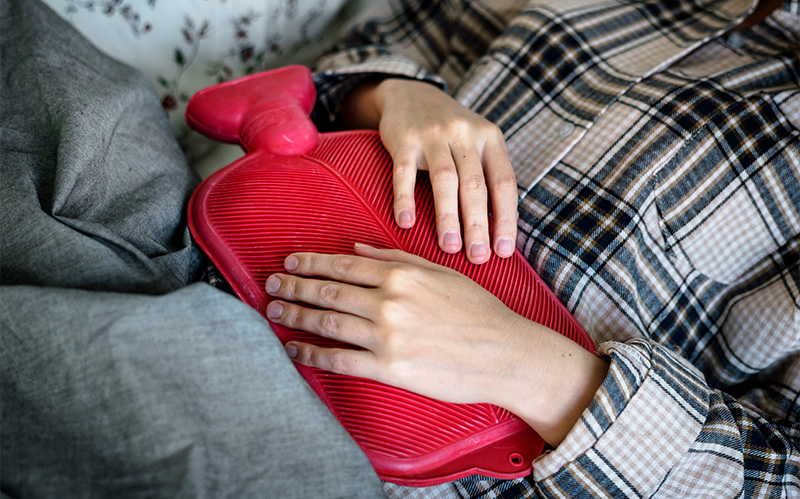
For some women, the idea of a cold uterus only surfaces after years of managing painful periods, delayed cycles, recurring clotting, or difficulty conceiving. Others may notice that their lower abdomen frequently feels cold, their energy dips heavily around menstruation, or period pain improves noticeably with warmth, such as heat packs or warm drinks.
These symptoms are often easy to dismiss individually. Yet when they continue month after month, they can begin to form a broader picture of how the body may be struggling to maintain balance and circulation. Understanding how TCM interprets these patterns can offer deeper insight into the connection between menstrual health, internal warmth, and fertility.
What Does a Cold Womb Mean in TCM?
In TCM, the uterus is believed to rely on sufficient warmth, circulation, Qi, and blood flow to support healthy menstrual function. A cold womb refers to insufficient internal warmth within the reproductive system, which may affect circulation and contribute to menstrual imbalance over time.
In TCM, the Kidneys are the foundation of reproductive health. The Kidneys are very important for a menstrual cycle and reproductive environment as the balance between Kidney Yang and Kidney Yin is necessary for health.
Kidney Yang is like the warmth in the body. It helps with activation and circulation in the system. Kidney Yang warms the uterus and helps the blood move around. This allows the body to have a menstrual cycle and prepares the uterus for implantation.
Kidney Yin is different from Kidney Yang. Kidney Yin is about nourishment and cooling the body. It helps make Blood and reproductive Essence which’re very important for the body.
Sometimes Kidney Yang can become weak. When this happens the body’s warming and circulatory functions can become weak over time. From a TCM perspective, this pattern refers to Cold Womb Syndrome or Gong Han (宫寒). This means the womb is too cold and the circulation is slow. This can cause problems like delayed menstruation, cramping, clotting, fatigue or problems with fertility. The Kidneys and the balance between Kidney Yang and Kidney Yin are very important, for avoiding these problems.
Cold is often related to Blood Stasis (血瘀). This is when the blood does not move well in the body. Over time this can make menstrual blood darker. It can also cause clots and pain during menstruation. Due to this, some women may have trouble with their cycles, where they may feel like their periods are late or hard to predict.
Some women may also experience Spleen Qi Deficiency (脾气虚). The Spleen is important for turning food into energy and blood. When the Spleen is not working well the body may not get the energy it needs. This can cause problems with blood circulation. It can make it hard for the body to have a menstrual cycle. The Spleen Qi Deficiency can make it hard for the body to digest food and slow down recovery. Blood Stasis and Spleen Qi Deficiency can both cause problems with menstruation.
Common Cold Womb Symptoms
Many women experiencing a cold womb pattern notice a combination of recurring symptoms rather than one isolated issue. In TCM, these patterns are assessed collectively to better understand how circulation, menstrual function, and overall reproductive balance may be affected.
Some commonly associated symptoms include:
- Menstrual pain that improves with heat or warm compresses
- Delayed or irregular menstrual cycles
- Dark menstrual blood or clotting
- Reduced menstrual flow
- Cold hands and feet
- Persistent cold sensation in the lower abdomen
- Fatigue, particularly around menstruation
- Preference for warm foods and drinks
Painful menstruation is one of the more frequently discussed signs. Some women notice that cramps feel noticeably more manageable after applying warmth to the abdomen, while cold weather, iced drinks, or chilled foods may aggravate discomfort during their cycle.
Over time, these symptoms may reflect a broader pattern of reduced warmth and sluggish circulation in the body, particularly when they recur consistently across multiple menstrual cycles.
Why Menstrual Pain Is Often Linked to Cold Patterns
Within TCM theory, warmth is believed to help blood circulate smoothly throughout the body. When cold restricts circulation, blood flow may slow or stagnate, which can contribute to menstrual discomfort and cramping.
This helps explain why cold womb-related menstrual patterns are often associated with:
- Cramping that improves with warmth
- Pain that feels dull, tight, or constricting
- Darker menstrual blood with clots
- Delayed onset of menstruation
Some women notice that applying a heat pack, drinking warm fluids, or avoiding cold exposure during menstruation temporarily eases discomfort. In TCM, these responses may suggest that warmth is helping circulation move more freely.
At the same time, not all menstrual pain is linked to cold patterns. TCM differentiates between several underlying presentations based on factors such as the nature of the pain, menstrual flow, body constitution, digestion, energy levels, and accompanying symptoms. This more individualised approach allows physicians to distinguish cold-related menstrual imbalance from other cycle-related patterns.
How a Cold Womb May Affect Fertility and Conception
The connection between fertility concerns and a cold womb is one reason many women begin exploring TCM support. From a Traditional Chinese Medicine perspective, sufficient warmth and healthy circulation are considered important for maintaining a balanced reproductive environment.
This does not mean pregnancy becomes impossible. Rather, the body may not be functioning in a way that fully supports reproductive balance, cycle stability, or optimal conditions for conception.
Ovulation Environment
Ovulation relies on coordinated hormonal activity, circulation, and regular cycle signalling. In TCM, reduced internal warmth and sluggish blood flow may affect the smoothness of ovulation throughout the menstrual cycle. The uterus needs warmth and good blood flow to work properly.
If Kidney Yang is weak the uterus may not get warmth and blood flow which can affect ovulation and implantation.
Also if there is a lack of Blood or Kidney Yin it can affect nourishment and the body’s ability to support follicle growth and proper development.
Some women with delayed ovulation or inconsistent ovulation patterns may also experience symptoms commonly associated with cold-related menstrual imbalance, such as cramping, delayed cycles, or lower abdominal coldness.
A balance of nourishment and warmth is needed for ovulation and implantation to happen. The reproductive system relies on this balance to function well.
Uterine Lining
Healthy circulation is traditionally viewed as important for supporting the uterine lining. In TCM, cold-related patterns may be associated with reduced blood flow to the reproductive organs, which can influence overall endometrial balance over time.
This is one reason why menstrual health and fertility are often approached together rather than treated as entirely separate concerns.
Implantation Support
From a TCM perspective, implantation is believed to depend on a stable internal environment, supported by adequate circulation and balance throughout the cycle. TCM approaches often focus on reducing stagnation, supporting blood flow, and maintaining reproductive balance during different phases of the menstrual cycle.
This broader perspective is commonly reflected in TCM fertility treatment approaches, where cycle regulation and reproductive health are reviewed together rather than in isolation.
Cycle Regularity
Irregular or delayed cycles are frequently associated with a cold womb in TCM. When ovulation timing becomes unpredictable, conception planning may also become more challenging and emotionally draining over time.
Supporting more stable menstrual patterns is often a key focus in fertility-related TCM care, particularly for women navigating ongoing cycle irregularity or delayed menstruation.
What May Contribute to a Cold Womb?
In TCM, a cold womb is often understood to develop gradually rather than appear suddenly. Daily habits, physical strain, recovery patterns, and overall body constitution may all influence how circulation and internal warmth are maintained within the reproductive system.
Factors traditionally associated with cold-related patterns may include:
- Frequent consumption of cold or raw foods
- Ongoing exposure to cold environments
- Chronic fatigue or overexertion
- Long-term emotional stress
- Insufficient sleep or recovery
- Inadequate postnatal recuperation
- Underlying Qi and blood deficiencies
For some women, these influences may slowly affect menstrual balance and circulation across multiple years. This is why TCM assessment typically looks beyond menstrual symptoms alone, taking into account factors such as digestion, sleep quality, stress levels, energy patterns, reproductive history, and overall body constitution.
How TCM Approaches a Cold Womb
TCM approaches start by looking at the body as a whole rather than focusing on one symptom in isolation. Treatment plans are typically personalised according to menstrual patterns, circulation, overall constitution, lifestyle habits, and reproductive concerns.
Acupuncture and Moxibustion
Acupuncture is commonly included within fertility-focused TCM care and may be used to support circulation, menstrual regulation, and stress management as part of a broader reproductive health plan.
For cold-related patterns, moxibustion is often used alongside acupuncture. This technique involves applying gentle warmth to selected acupuncture points to help support circulation and internal warmth, particularly around the lower abdomen and reproductive region.
Some women may receive a combination of acupuncture and warming therapies based on their individual presentation.
Herbal Medicine
Customised herbal formulations are also frequently used within TCM fertility care. Herbs are selected according to the individual’s body pattern rather than prescribed as a one-size-fits-all solution.
Certain herbs are traditionally used to support warmth, circulation, and menstrual balance, including:
- Ai Ye (Mugwort leaf): warms up the body and get rid of the cold
- Rou Gui (Cinnamon bark): use to help keep the kidneys warm and the blood moving
- Dang Gui (Angelica sinensis): improve blood circulation
These herbs are generally prescribed as part of tailored formulations rather than taken individually on their own.
Some women may also explore Chinese herbs as part of their broader fertility support approach.
Dietary and Lifestyle Adjustments
Diet and lifestyle habits are also considered important within TCM management of cold-related patterns. Recommendations are usually aimed at supporting circulation, conserving energy, and maintaining internal warmth more consistently over time.
General guidance may include:
- Choosing warm, cooked meals more regularly
- Reducing excessive intake of cold or iced foods
- Keeping the lower abdomen warm
- Prioritising adequate rest and recovery
- Managing long-term stress levels
These adjustments are typically used alongside acupuncture, herbal medicine, and other TCM approaches rather than as standalone measures.
Who May Benefit from TCM Support for Cold Womb
Some women may consider exploring TCM support when recurring menstrual or fertility-related concerns begin appearing consistently across multiple cycles, particularly when symptoms suggest reduced warmth or sluggish circulation.
This may include women experiencing:
- Painful periods that feel better with warmth
- Delayed or irregular menstrual cycles
- Difficulty identifying or tracking ovulation
- Ongoing attempts to conceive
- Low basal body temperature
- Persistent cold sensations in the lower abdomen
- Fatigue or low energy around menstruation
For many women, these symptoms do not occur in isolation. Over time, recurring patterns involving menstrual pain, delayed cycles, energy fluctuations, and fertility concerns may begin to reflect a broader imbalance within the body.
In TCM, the menstrual cycle is often viewed as an important reflection of overall internal balance. This is why care typically focuses not only on fertility outcomes, but also on circulation, recovery, energy levels, and long-term menstrual health as a whole.
When Should You Seek Further Assessment?
Occasional menstrual irregularities can occur, especially during periods of stress, disrupted sleep, illness, travel, or temporary hormonal fluctuations. However, symptoms that continue recurring across multiple cycles may deserve closer attention, particularly when they begin affecting daily comfort or fertility planning.
It may be worthwhile to seek further assessment if you experience:
- Recurrent or worsening menstrual pain
- Cycles that remain consistently delayed or irregular
- Ongoing cold sensations in the lower abdomen
- Significant clotting or unusually dark menstrual flow
- Difficulty conceiving over time
- Increasing changes in cycle timing or ovulation patterns
Keeping track of menstrual timing, flow, pain intensity, basal body temperature, and ovulation signs may also help reveal whether certain patterns are becoming more consistent month after month.

Understanding Menstrual Balance Beyond Symptoms
Rather than focusing on menstrual pain or cycle irregularity as isolated symptoms, TCM approaches reproductive health by examining broader patterns of circulation, internal warmth, energy balance, and recovery over time. This allows care to be tailored to how the body functions as a whole, rather than addressing a single concern in isolation.
1TCM provides personalised traditional Chinese medicine care for women navigating menstrual health and fertility concerns. Treatment approaches may include acupuncture, herbal medicine, and lifestyle guidance tailored to individual body patterns, menstrual presentation, and reproductive goals.
If you have been experiencing persistent menstrual discomfort, delayed cycles, or fertility concerns associated with cold-related symptoms, schedule a consultation with our physicians to understand how personalised TCM care may support your menstrual and reproductive health journey.
FAQs About the Cold Womb Condition in TCM
Is a cold womb recognised as a medical condition?
No. A cold womb is considered a TCM condition rather than a recognised Western medical diagnosis. In TCM, it refers to how reduced internal warmth and slower circulation may influence menstrual balance and reproductive health over time.
Can a cold womb affect fertility?
From a TCM perspective, cold-related patterns may affect ovulation, circulation, cycle regularity, and the overall uterine environment. This is why fertility-focused TCM care often looks at broader menstrual and reproductive balance rather than conception alone.
Are cold womb symptoms always linked to infertility?
Not necessarily. Some women experiencing cold-related menstrual symptoms may still conceive naturally without difficulty. However, persistent painful periods, delayed cycles, or recurring menstrual irregularities may still warrant further assessment, especially when fertility planning becomes more challenging over time.
Why does warmth sometimes relieve menstrual pain?
Within TCM practices, warmth is believed to support smoother circulation and reduce stagnation. This may help explain why some women notice that heat packs, warm baths, or warm drinks temporarily ease menstrual cramping associated with cold-related patterns.
Can acupuncture help with a cold womb?
Acupuncture and moxibustion are commonly used in TCM to address cold-related menstrual concerns. Treatment plans are typically tailored according to the individual’s symptoms, menstrual history, body constitution, and broader reproductive health patterns.