
Key Takeaways:
- Traditional Chinese Medicine views the postpartum period as a crucial time to restore balance, warmth, and circulation in the body.
- Gentle, restorative therapies such as massage, herbal care, and acupuncture can support recovery and strengthen the pelvic region after childbirth.
- Individualised treatment plans may include therapies that address muscle tone, posture, and overall comfort.
Sustainable recovery combines professional care with mindful self-care practices, including rest, nutrition, and gradual exercise, to maintain long-term well-being.
Understanding Why Pelvic Health Matters After Childbirth
After childbirth, it’s common for women to feel differences in strength, stability, or comfort around the pelvic area. During pregnancy and labour, the muscles and ligaments that support the pelvic organs stretch and work harder than usual. As the body adjusts after delivery, these changes can sometimes lead to a sense of weakness or tension that affects posture or daily movement.
Taking time to focus on pelvic floor recovery helps the body regain balance and comfort in a gradual and sustainable manner. In Traditional Chinese Medicine (TCM), the weeks following birth are considered a crucial period for restoring warmth, circulation, and overall harmony. By supporting the body during this time, mothers can encourage gradual healing and renewed confidence in their physical well-being.
How TCM Views Postpartum Pelvic Recovery
From the perspective of TCM, childbirth can temporarily deplete Qi and blood, leaving the body more susceptible to cold and imbalance. Postpartum care, therefore, focuses on restoring warmth, improving circulation, and supporting the body’s natural rhythm of recovery. Within TCM postpartum therapy, treatments are thoughtfully chosen to nourish and stabilise the body, with special attention given to the pelvic and abdominal regions.
At 1TCM, this philosophy guides every approach to pelvic health, combining massage, herbal care, and lifestyle adjustments that work together to encourage balance and overall well-being after childbirth.
Herbal Care That Supports Pelvic Healing
Herbal therapy has long been part of postpartum care in TCM. Specific herbs are selected to enhance circulation, nourish the body, and alleviate tension in the pelvic region. Alongside internal formulas, practices such as a herbal bath after birth may be suggested to provide gentle warmth and relaxation. The soothing effect of these infusions can help ease muscle fatigue and support the body’s natural recovery process of the pelvic floor.
These gentle, warming methods reflect the TCM understanding that maintaining warmth and balance supports the body as it recovers from childbirth and regains its strength and equilibrium.
Massage and Acupuncture in Pelvic Recovery
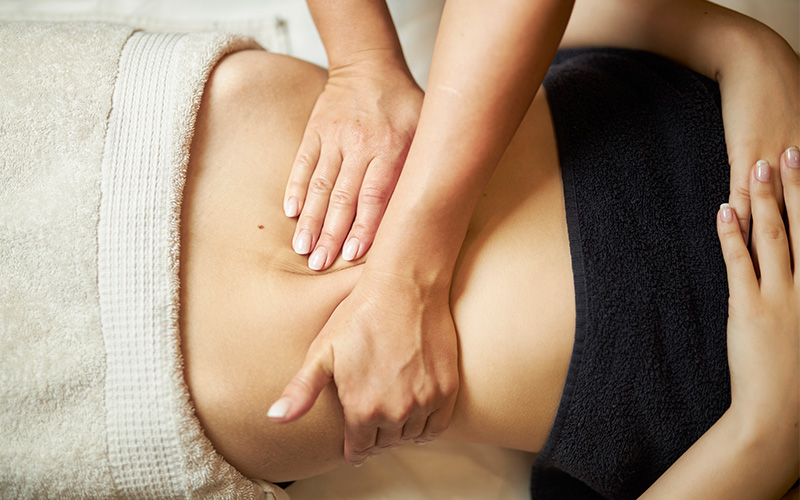
In TCM, the smooth flow of Qi and blood is considered necessary for recovery. Massage and acupuncture are often used to encourage this circulation, helping the muscles regain tone, coordination, and awareness after childbirth. Female pelvic massage, for instance, can focus on the hips, lower back, and abdomen to ease tension and support gentle strengthening.
At 1TCM, several therapies are available to complement postpartum healing and encourage gradual pelvic floor recovery:
- Pelvic Cavity Signature Therapy (30 minutes at $109 or 60 minutes at $178): This session focuses on relieving tightness and improving circulation around the pelvic region.
- Diastasis Recti Repair (30 mins at $109 or 60 mins at $178): This therapy supports the body in rebuilding core connection and abdominal stability after pregnancy.
- Pelvic Realignment (By Physician) (priced at $580): This consultation-based session includes assessment and gentle adjustment to help improve posture and balance.
These treatments can be incorporated into a broader postpartum pelvic recovery plan, supporting the body’s natural healing rhythm while promoting comfort and stability over time.
Supporting Long-Term Strength and Balance
Sustained pelvic floor recovery goes beyond targeted therapy alone. Gentle exercises, mindful breathing, and adequate rest help maintain core and pelvic region strength while preventing strain. Nutrition and emotional well-being also play a significant role in overall recovery, and TCM promotes a balanced lifestyle to support the body’s natural healing process.
Combining self-care with regular treatments such as postpartum massage sessions can further enhance pelvic floor recovery over time. These ongoing habits foster stability, comfort, and confidence as the body recovers from childbirth
Reconnecting With Your Body Through Gentle, Informed Care
Childbirth marks a time of significant physical and emotional change. Taking a gentle approach to pelvic floor recovery gives the body space to regain strength while adjusting to the rhythms of new motherhood. Through the perspective of TCM for mothers, healing is viewed as a gradual process supported by warmth, nourishment, and balance.
If you are considering how TCM can support your postpartum well-being, explore therapies that align with your comfort level and pace. Reach out to 1TCM to learn more about personalised care and guidance for your recovery journey.
