
Key Takeaways:
- Paediatric massage offers gentle techniques designed to support a child’s comfort, development, and daily rhythms.
- Many parents explore this approach to ease common discomforts such as digestive upset, restlessness, or sleep challenges.
- The practice focuses on light, structured touch that remains suitable even for very young children.
- Paediatric massage can complement existing childcare routines, providing another avenue of support during early growth stages.
Exploring How Paediatric Massage Therapy Supports Early Development
Caring for a young child often means responding to shifting needs, from unsettled sleep to periods of fussiness or changes in digestion. Many parents in Singapore look for gentle ways to ease these moments, and paediatric massage therapy is one approach they feel comfortable exploring. Rooted in long-standing traditions within Traditional Chinese Medicine (TCM) for children, this method offers parents a nurturing and manageable way to support their child’s overall well-being.
Understanding What Paediatric Massage Involves
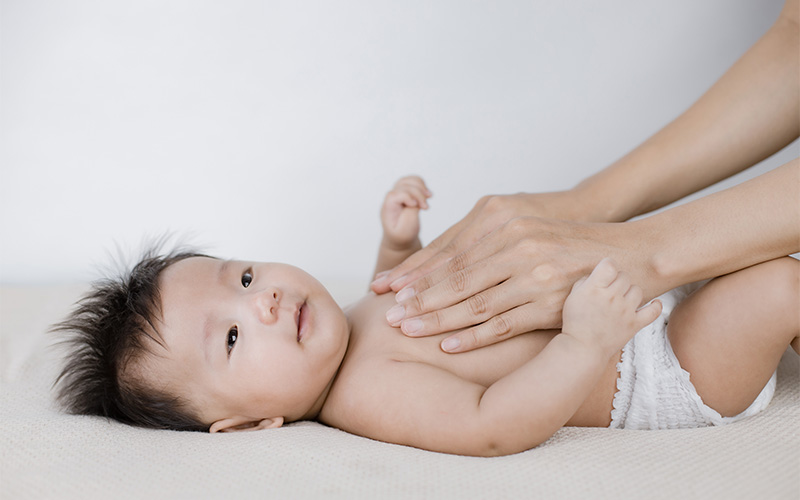
Paediatric massage therapy, often known as baby tuina, is a touch-based practice designed for infants and young children. Therapists apply soft, rhythmic movements along the body’s meridian pathways, focusing on areas associated with comfort, digestion, and overall well-being. The techniques stay gentle and suitable for developing bodies, offering a form of support that does not involve needles or medication. Many parents appreciate how this approach works with a child’s natural rhythms and provides a calm, reassuring experience. It shares similarities with infant massage therapy, though its methods arise from traditional TCM principles.
What Paediatric Massage May Help With
Parents often turn to this form of massage therapy when their child goes through phases of discomfort or restlessness. Common concerns include colic, bloating, constipation, coughs, disrupted sleep, and mild respiratory symptoms. These experiences can feel overwhelming, particularly for new parents, and massage therapy provides a calm, familiar routine that may help soothe the child during such periods. Families who already use natural remedies for childhood ailments sometimes view this touch-based approach as an additional form of support, helping ease day-to-day challenges and complement their existing care routines.
Looking at the Benefits Beyond Immediate Relief
Many families turn to this therapy not only to address specific discomforts but also to support their child’s overall development. Regular sessions are often thought to aid digestion, encourage more predictable sleep patterns, and contribute to a calmer temperament during growth phases. Parents also value the shared moments of closeness, which can help children feel secure through periods of change. Any potential benefits tend to build gradually, as gentle touch becomes a familiar part of the child’s routine. The practice can blend well with approaches to holistic baby care, particularly for families who prioritise nurturing, mindful habits at home.
Why Paediatric Massage Works Well for Young Children
Young children respond strongly to touch, which makes paediatric massage therapy a comfortable option for even very young infants. The movements remain light and carefully paced to match the child’s comfort level. Parents value this gentle nature, especially for children who may find other approaches harder to manage. The therapy offers a calm and predictable experience that may help ease unsettled moments during growth and developmental changes. Many families who explore TCM paediatric massage introduce it early on, allowing the practice to blend naturally with their child’s daily care routines.
How Paediatric Massage Fits Into Broader Early Care
Paediatric massage is often woven into early care routines that support a child’s comfort and day-to-day development. Parents may consider it during phases of digestive changes, restlessness, or shifting sleep patterns. In some families, particularly those who explore TCM for their baby, this approach sits alongside other gentle methods that recognise a child’s natural rhythms. The therapy provides a structured, reassuring touch that can blend smoothly with everyday caregiving throughout the early years.
Gentle Support Without Medication
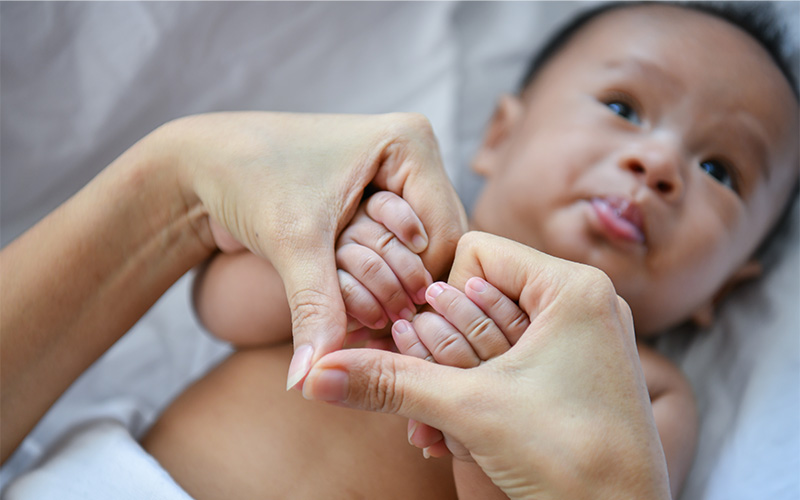
Paediatric tuina is a form of massage therapy designed for infants and young children, typically from a few weeks old up to around six years. It is adapted specifically for developing bodies and differs from adult techniques in both pressure and pace.
How It Works
Unlike adult tuina, which may involve firmer manipulation, paediatric techniques use soft kneading, light acupressure, and gentle stroking movements. These actions stimulate selected acupoints and meridian pathways in a way that is suitable for children.
The Intended Aim
In TCM, the goal is to encourage the smooth flow of Qi and support balance within the body. By addressing areas linked to digestion, respiratory function, or general vitality, the therapy is traditionally believed to support a child’s natural regulatory processes.
Safety First: Important Considerations
- Fever Check: Do not perform the massage if the child has a high fever above 38.5°C.
- Skin Check: Avoid areas with open wounds, broken skin, rashes that are infected, or active inflammation.
- Timing: Wait at least 30 minutes after a meal. Avoid performing the massage on a completely empty stomach.
- Technique: Use gentle pressure only. A neutral, non-scented moisturiser or massage oil may help reduce friction on the skin.
Examples of Acupoints Used in Paediatric Tuina
Below are examples of points sometimes introduced during consultations. Parents should seek proper guidance before attempting techniques at home.
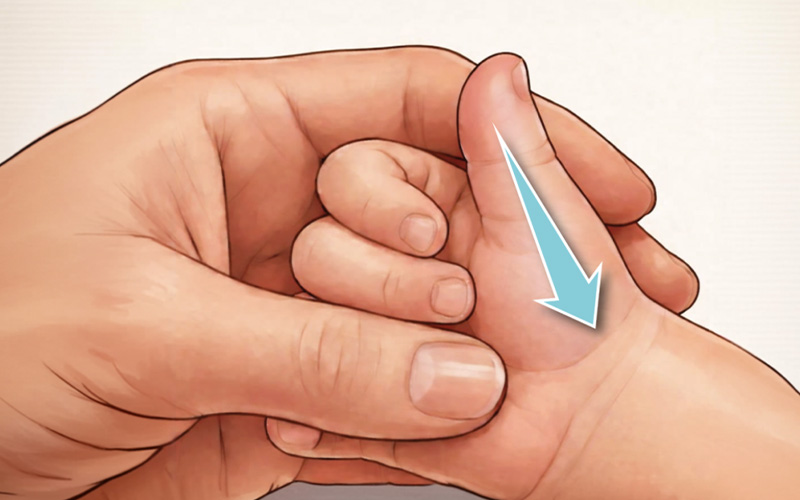
Acupoint 1: Bu Pi Jing 补脾经
- Associated Function: Traditionally linked to digestive support. In TCM, strengthening the Spleen is thought to help regulate Dampness, a key root cause of eczema.
- Location: Outer edge of the thumb.
- Method: Using your thumb, gently stroke from the tip of the thumb towards the base. Repeat 100 to 300 times with light pressure.
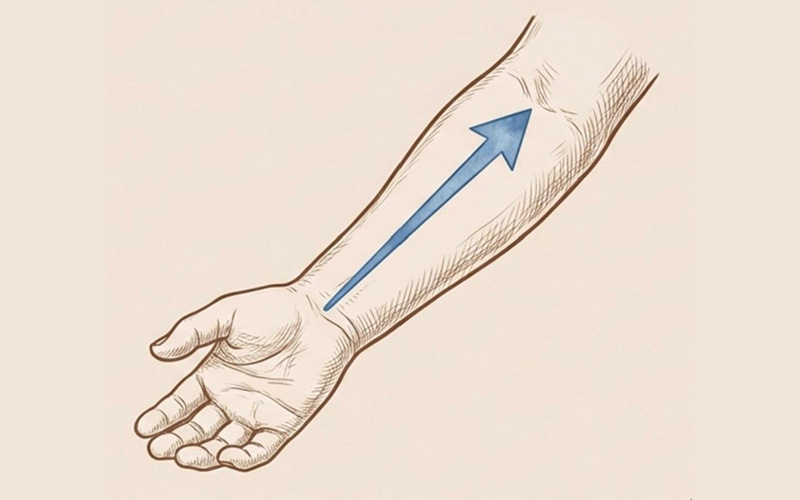
Acupoint 2: Qing Tian He Shui 清天河穴
- Associated Function: Traditionally used to clear internal Heat and calm restlessness.
- Location: Midline of the inner forearm, from wrist to elbow.
- Method: With the index and middle fingers, stroke upwards from the wrist crease towards the elbow crease. Repeat 100 to 300 times using light, brisk, one-directional movements.
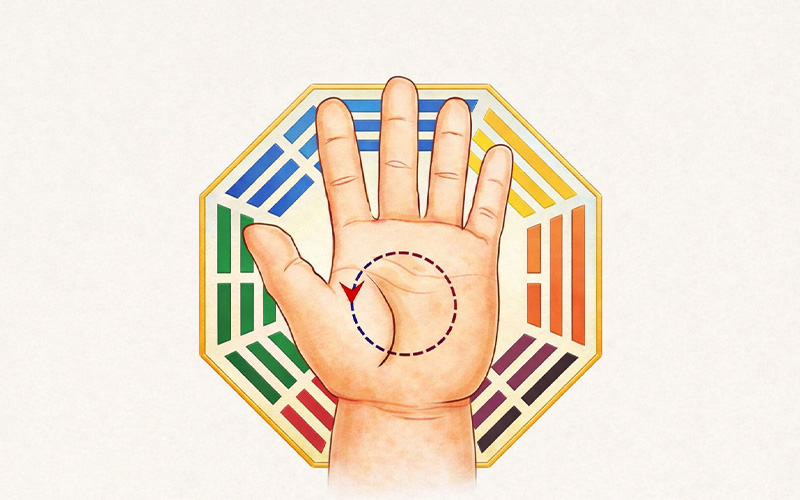
Acupoint 3: Ni Yun Nei Ba Gua 逆运内八卦
- Associated Function: Traditionally associated with supporting digestion and easing phlegm.
- Location: The fleshy circular area of the palm surrounding its centre.
- Method: Lightly trace the circular area in a counter-clockwise direction using your thumb. Repeat 100 to 200 times.
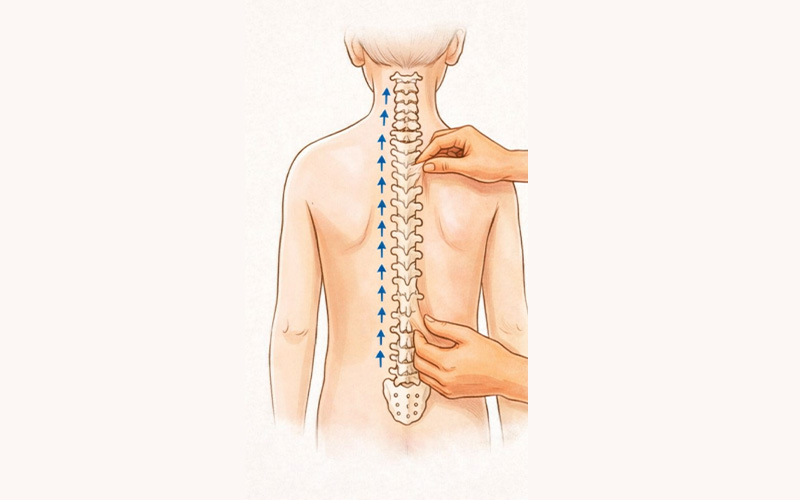
Acupoint 4: Nie Ji 捏脊
- Associated Function: Traditionally believed to stimulate Yang meridians and support overall vitality.
- Location: Along the spine, from the tailbone to the neck.
- Method: Gently pinch and lift the skin between your fingers, moving upwards along the spine. Repeat 3 to 5 times.
Note: Do not perform if there is broken skin on the back.
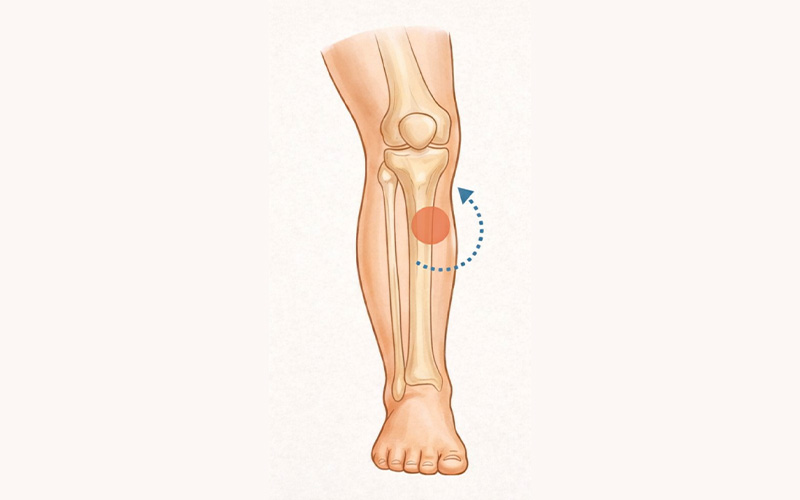
Acupoint 5: Zu San Li 足三里穴
- Associated Function: Traditionally linked to digestive balance and general resilience.
- Location: Four finger-widths below the kneecap, on the outer side of the leg.
- Method: Press gently with the thumb and knead in a circular motion. Repeat 50 to 100 times on each leg.
Supporting Your Child’s Care Routine at Home
Herbal Baths
Some parents incorporate mild herbal baths as part of their child’s care routine. In TCM, herbs such as Jing Yin Hua 金银花 are traditionally used to clear Heat and soothe skin discomfort. Any herbal preparation should be discussed with a qualified physician before use.
Hygiene
Keeping fingernails short may help reduce skin damage caused by scratching, particularly during flare-ups of itchiness.
Diet
In TCM, foods considered “heaty”, such as fried or very spicy items, may be limited during periods of skin or digestive discomfort. Cooling foods such as winter melon or barley are sometimes recommended, depending on the child’s constitution.
Environment
A cooler room temperature may help minimise sweating, which can aggravate itchiness. Dressing children in loose, breathable cotton clothing can also reduce friction and keep them more comfortable throughout the day.
Bringing Paediatric Massage Therapy Into Your Child’s Care
Paediatric massage therapy is something many Singaporean parents consider when looking for gentle ways to support their child’s comfort and daily routines. Its use of calm, purposeful touch reflects long-standing TCM traditions that aim to ease common childhood discomforts and support natural development. While it is not a replacement for medical care, it can complement existing childcare practices and offer parents an additional way to navigate the early years with confidence.
If you would like to understand how baby tuina may fit into your child’s needs, reach out to 1TCM for a conversation. Our physicians can share more about what to expect and help you explore options that feel appropriate for your family.
