Key Takeaways:
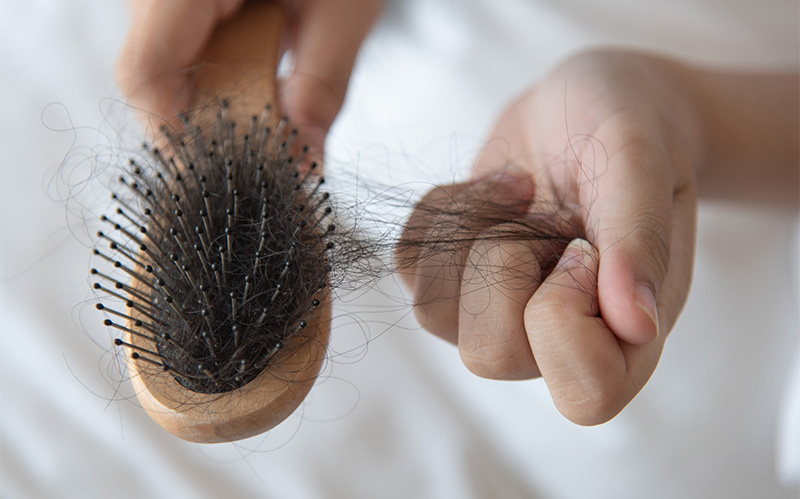
- Postpartum hair loss occurs when many hair follicles enter the shedding phase simultaneously after pregnancy, making hair loss appear heavier than usual.
- The timing is delayed because hair strands remain in the resting phase before shedding, which is why noticeable hair fall often begins months after delivery.
- Recovery factors, including blood loss, fatigue, nutrition, and overall physical strain after childbirth, influence the intensity and duration of shedding.
- Regrowth usually begins before it becomes visible, often appearing as shorter strands that take time to blend with the rest of the hair.
- Prolonged shedding, noticeable thinning, or symptoms like fatigue and dizziness may suggest that the body has not fully recovered and may require further assessment.
Postpartum Hair Loss: What Your Body Is Going Through
For many women, postpartum hair loss is neither a minor nor an anticipated change. It often arrives suddenly, a few months after childbirth, while physical recovery is still underway. The sheer volume of hair shed can feel overwhelming, particularly after the fuller hair enjoyed during pregnancy. While this phase is commonly discussed, its explanations are often oversimplified. Hormonal shifts are merely the initial factor in this phenomenon.
How shedding manifests, its duration, and the pattern of regrowth are closely linked to the body’s overall postnatal condition. During pregnancy, elevated levels of certain hormones prolong the resting phase of hair follicles, thereby preventing typical daily shedding. Once these levels decline, the hair retained for nine months begins to shed simultaneously.
Understanding this process helps to shift focus away from the hair itself and towards the body’s ongoing efforts to restore its natural balance.
To understand postpartum hair loss properly, it helps to first understand how the hair growth cycle works.
Each hair follicle naturally moves through several stages over time:
Anagen (Growth Phase)
This is the active growth stage of the hair cycle, during which hair continues to grow from the follicle. This phase typically lasts between 2 to 7 years, allowing hair strands to grow longer over time. During pregnancy, elevated oestrogen levels often prolong this phase, which is why many women notice fuller and thicker hair.
Catagen (Transition Phase)
This is a short transitional stage where active hair growth slows and the follicle begins preparing to rest. The hair detaches from its blood supply while remaining temporarily anchored in the scalp. This phase usually lasts around 2 to 3 weeks.
Telogen (Resting and Shedding Phase)
During this phase, the hair follicle remains at rest before the old strand is eventually shed to make way for new growth. The telogen phase generally lasts around 2 to 4 months. After childbirth, a larger number of hair follicles may enter this phase at the same time, leading to the noticeable shedding associated with postpartum hair loss.
Why Hair Loss Happens After Pregnancy
During pregnancy, higher levels of oestrogen keep your hair in the growth phase for a significantly longer period than usual. This prevents the typical daily shedding experienced by most individuals, explaining why your hair likely felt thicker and more voluminous during pregnancy.
Following childbirth, hormone levels begin to return to their baseline. At this point, the hair follicles, which were essentially ‘paused’ during pregnancy, simultaneously move into the resting phase. This results in delayed shedding, typically becoming noticeable approximately 3 to 4 months postpartum.
The intensity of this shedding is attributed to its timing. Rather than the gradual daily loss of a few strands over a year, the body releases months’ worth of accumulated hair in a very short timeframe. While potentially startling, this phenomenon primarily reflects the hair cycle recalibrating.
However, hormones serve as merely the initial trigger. They do not, however, fully account for variations in shedding duration among women or the perceived significance of thinning from one individual to another.
How Postpartum Alopecia Relates to Internal Recovery
The body undergoes profound changes during and after childbirth, many of which are unseen. True recovery involves more than just healing from the birth itself; it also encompasses the body’s efforts to rebuild blood volume, stabilise hormone levels, and adjust to the physical demands of breastfeeding and sleep deprivation.
Healthy hair growth depends on adequate circulation and a consistent supply of nutrients. When the body is undergoing a significant recovery phase, these systems may not be operating at full capacity. For example, blood loss during delivery can lower iron levels. Since iron facilitates oxygen transport to hair follicles, a reduction in these levels can cause follicles to remain in a prolonged resting phase, delaying new growth.
Fatigue is another significant factor. Postnatal fatigue extends beyond the need for a nap; it indicates a body under constant physiological pressure. When under such sustained strain, the system prioritises essential functions such as tissue repair and hormone regulation. Within this hierarchy of needs, hair growth becomes a secondary task.
Diet also plays a direct role in this process. Skipping meals or inadequate nutrient intake can limit the resources available to restart the hair growth cycle. A consistent intake of protein, iron, and specific vitamins is necessary to support the hair’s return to its normal growth cycle.
This is why postpartum alopecia often transcends a mere drop in oestrogen levels. It serves as a mirror, reflecting the body’s overall recovery progress.
How TCM Interprets Postpartum Hair Loss
In Traditional Chinese Medicine (TCM), particularly in the context of women’s health, hair is viewed as a reflection of one’s internal health, rather than an isolated concern. Its condition is intimately linked to the state of Qi and Blood. Childbirth, a significant physiological event, naturally depletes these vital resources through physical exertion and blood loss, often leaving the body in a temporary state of deficiency.
From this perspective, several interconnected processes occur. When Blood is insufficient, the body may be unable to nourish the scalp adequately. As hair follicles depend on this nourishment to grow and remain anchored, a reduced supply can result in increased shedding and slower regrowth.
Qi also plays a vital role, acting as the energy that circulates throughout the system. When Qi is weak or its flow is obstructed, nutrients may not effectively reach the areas of the body that require them most. This not only affects hair health but also impacts energy levels, digestion, and the overall pace of postpartum recovery.
In some instances, TCM also considers the Kidney system, which is believed to govern long-term vitality and reproductive health. The physical demands of childbirth can draw upon these deeper reserves, particularly if the recovery process is prolonged or challenging.
Crucially, TCM does not treat every case of postpartum hair loss the same way. While symptoms may appear similar on the surface, the underlying cause can vary significantly between individuals. Consequently, the focus is typically on an individualised approach to restore the body’s balance.
Supporting Hair Growth After Childbirth
Supporting hair recovery after childbirth is not about instantly halting shedding. The hair cycle requires time to reset, and follicles must progress through their natural phases before new growth can commence. Facilitating this process involves optimising the internal conditions conducive to regrowth.
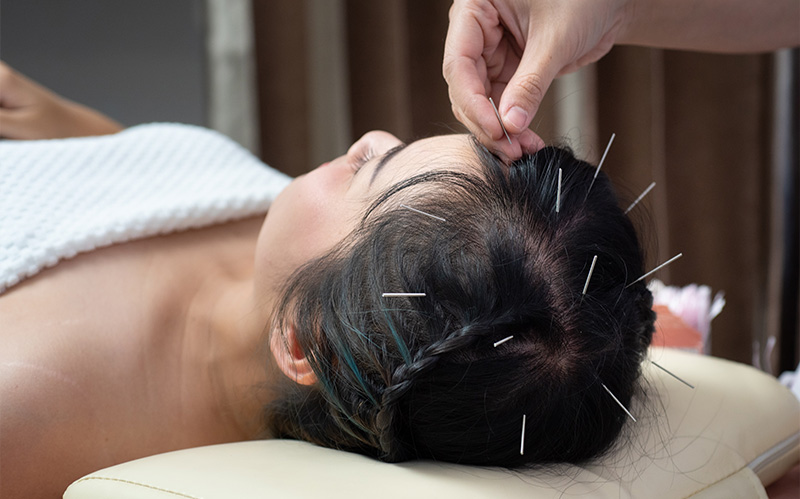
By focusing on female TCM practices, you can navigate this transition with support tailored to how you are feeling as a whole person, rather than a one-size-fits-all protocol. For example, acupuncture might be used to improve circulation and help restore your system to balance. Instead of focusing only on the scalp, points are chosen to address your specific needs, such as fatigue, digestion, or stress.
Herbal support offers another avenue, with formulas adjusted progressively throughout your recovery. These are not standard, pre-formulated prescriptions; instead, they are tailored to your specific situation, whether the focus is on replenishing blood levels or enhancing circulation.
In TCM postnatal care, dietary nourishment is often considered an important part of recovery after childbirth. Certain ingredients are traditionally incorporated into meals or herbal soups to support the body’s recovery process during periods of fatigue, blood loss, and physical depletion.
For mothers showing signs commonly associated with Blood deficiency, ingredients such as red dates and longan are frequently used in postnatal nourishment. These ingredients supports overall nourishment and recovery during the postpartum period.
In cases associated with Kidney deficiency patterns, foods such as black beans, black sesame, and black fungus are also commonly included in recovery-focused diets. Within TCM theory, these ingredients are traditionally linked to supporting long-term vitality and replenishment after childbirth.
Rather than functioning as standalone solutions for hair loss, these dietary approaches are typically viewed as part of broader postnatal care aimed at supporting the body’s overall recovery and restoring internal balance over time.
General postnatal care remains paramount. This encompasses maintaining regular, nourishing meals and prioritising rest whenever you can. While these may appear minor, they directly influence the body’s capacity to restore balance and redirect energy towards hair growth.
What Natural Hair Recovery Postpartum Looks Like
Hair regrowth does not always follow the expected timeline. Even after shedding eventually slows, a considerable period may pass before a visible difference in your hair’s overall volume becomes apparent.
New hair often appears as short, wispy strands along the hairline or at the crown of the head. As these hairs may protrude or appear somewhat frizzy, they often create an uneven appearance that can be challenging to style. It is common to mistake them for breakage; however, they are, in fact, a positive indication of early regrowth.
The texture of your hair may also feel altered during this phase. These new strands may appear finer or thinner before eventually strengthening. This is not usually a permanent alteration; it simply reflects the early, delicate stage of the new growth cycle.
Ultimately, natural postpartum hair recovery is a gradual and often uneven process. It mirrors the pace of your internal recovery rather than representing a rapid return to its pre-pregnancy appearance.
When Postpartum Hair Loss May Need Additional Support
While hair loss after a baby is common, certain patterns may suggest your body needs additional support to recover fully.
In some cases, persistent shedding may also be associated with issues such as low iron stores, thyroid imbalances, or ongoing nutritional depletion after childbirth. If hair loss continues beyond the expected recovery period, further assessment may help identify whether additional factors are affecting the hair growth cycle.
If shedding persists for more than a year, it usually indicates that your hair cycle has not fully stabilised. At this juncture, it is advisable to investigate whether underlying factors, such as nutrient deficiencies or persistent hormonal imbalances, are impeding recovery.
Significant thinning, particularly if there is increased scalp visibility, also warrants closer attention. While typical postpartum shedding occurs relatively uniformly across the scalp, more pronounced thinning in specific areas may indicate other contributing factors beyond the standard hair cycle.
It is also crucial to consider your overall physical well-being. If persistent fatigue or dizziness accompanies hair loss, the issue is likely not confined solely to hair health. These symptoms frequently signal ongoing depletion or an incomplete postpartum recovery. A general sense of not ‘bouncing back’, characterised by persistent weakness or a failure to return to baseline health, provides vital context for the hair loss.
In such instances, a more detailed assessment can be highly beneficial. Whether opting for a medical consultation or a TCM approach, gaining a clearer understanding can help identify the precise factors affecting your recovery and how best to support it.
Supporting Your Postnatal Recovery with the Right Approach
Postpartum hair loss typically reflects your body’s healing process after childbirth, rather than indicating a permanent problem. As hormone levels settle and internal balance improves, your hair cycle will gradually reset, leading to regrowth over time.
However, when shedding persists longer than anticipated, or is accompanied by symptoms such as fatigue, dizziness, and slow physical recovery, it often indicates that your body has not yet fully replenished its natural reserves.
At 1TCM, postnatal care focuses on supporting your complete recovery through personalised treatment plans. Depending on your body’s specific needs, this may include acupuncture to aid circulation, herbal support tailored to your condition, and therapies designed to address fatigue and promote nourishment. The goal is to help you rebuild your strength, enabling your body to refocus on growth.
If you are experiencing ongoing hair loss or feel your recovery has been a struggle, we invite you to contact 1TCM to arrange a consultation. We can help you understand what is happening internally and determine the appropriate approach to support your health.
FAQs About Postpartum Hair Loss
Does postpartum hair loss affect all women?
Not all women experience postpartum hair loss in the same way. While a significant majority notice some degree of thinning, the intensity varies considerably. Some may notice only a slight increase in shedding during brushing, whereas others experience more noticeable loss. This often depends on how significantly hormone levels shift and how quickly the body can rebuild its internal resources after birth.
When does hair loss after pregnancy usually begin?
It typically begins between two and four months after childbirth. This delay occurs because it takes time for hormone levels to drop and for hair follicles that were ‘resting’ during pregnancy to finally signal shedding. While it can feel quite sudden, it is actually a delayed reaction to the physiological changes that occurred immediately after delivery.
How long does postpartum alopecia last?
For many women, the most intense shedding improves within six to twelve months as the hair cycle stabilises. However, the timeline varies for each individual. Overall health, stress levels, and the ability to rest and replenish nutrients can all influence how long it takes for the shedding to taper off and for new growth to become noticeable.
Can hair growth after childbirth be supported?
While the initial shedding cannot always be stopped, the conditions for healthy regrowth can certainly be supported. Hair growth is closely tied to the body’s total recovery; therefore, prioritising nutrient-dense meals, consistent rest, and internal balance is essential. By addressing underlying depletion, hair follicles receive the resources they need to re-enter the growth phase more effectively.
Is uneven regrowth normal?
Yes, this is completely normal. Early regrowth often appears as short, fine, or ‘flyaway’ hairs that do not seamlessly blend with the existing hair, particularly around the hairline or crown. While these can be frustrating to style and are sometimes mistaken for breakage, they are actually a very positive sign that hair follicles are active and the recovery process is underway.
What amount of postpartum hair loss is considered normal?
Shedding often appears more dramatic during washing, brushing, or tying the hair because multiple months of retained hair may be released within a shorter period. Mild to moderate diffuse shedding across the scalp is generally considered normal during postpartum recovery.
However, sudden patchy bald spots, severe scalp irritation, or rapidly worsening thinning may suggest other causes of hair loss that require further evaluation.