
Key Takeaways:
- Fertility in Traditional Chinese Medicine is viewed as a reflection of overall balance, involving the harmony of Qi, blood, and organ function rather than isolated reproductive factors.
- Jing, or reproductive essence, is considered central to vitality, influencing both egg and sperm quality, and is often supported through herbs and restorative lifestyle practices.
- Herbal combinations are selected to address circulation, energy balance, and nourishment, helping create favourable internal conditions for conception.
- TCM approaches to fertility are holistic and individualised, integrating herbal care with acupuncture, diet, and lifestyle adjustments for comprehensive support.
Understanding How Chinese Medicine Views Fertility
Under Traditional Chinese Medicine (TCM) principles, fertility is seen as part of the body’s overall balance rather than a separate function. Reproductive health is believed to depend on the smooth flow of Qi (vital life energy), the nourishment of blood, and the coordinated roles of organs such as the kidneys, liver, and spleen. When these systems work in harmony, the body is thought to be in a better state to support conception.
For centuries, the connection between Chinese medicine and fertility has been explored through observation and practice. Instead of focusing on a single cause, TCM takes a whole-body approach, aiming to restore balance through methods such as herbal prescriptions, acupuncture, and dietary adjustments that complement natural rhythms and well-being.
How Yin, Yang, and Jing Relate to Reproductive Health
In TCM, fertility is viewed as the result of a balance between Yin and Yang, two opposing yet complementary forces that sustain life. Yin is linked to nourishment, cooling, and restoration, while Yang reflects warmth, movement, and vitality. When these energies are in harmony, reproductive functions are believed to flow more naturally.
Another key principle is Jing, or essence, regarded as the foundation of growth, development, and reproduction. Jing is thought to shape the vitality and quality of both eggs and sperm. Nurturing this essence through rest, balanced nutrition, and herbal medicine for reproductive health is considered an integral part of how Chinese medicine and fertility are approached in a holistic way.
Herbs Traditionally Used to Support Circulation and Egg Health
Healthy blood flow is considered vital for nourishing the uterus and supporting egg development. When circulation is steady and unobstructed, it is believed to help maintain menstrual balance and create favourable conditions for conception.
- 香附子 (Xiang Fu, Cyperus rotundus): Commonly used to help regulate menstruation by soothing the liver and promoting the smooth flow of Qi and blood. It is often associated with easing mild tension and supporting balance in the menstrual cycle.
- 丹参 (Dan Shen, Salvia miltiorrhiza): Traditionally valued for promoting circulation and dispersing blood stasis. It is used to support menstrual regularity and ease mild discomfort linked to stagnation.
Through their role in encouraging circulation, these herbs reflect the holistic philosophy of Traditional Chinese Medicine fertility practices, which view reproductive health as part of overall balance and harmony within the body.
Herbs That Nourish Jing and Kidney Energy
Within Chinese medicine, the kidneys are viewed as the foundation of reproductive vitality. They are believed to store Jing, the essence that governs growth, development, and reproduction. Herbs that support the kidneys and essence are therefore often used as part of natural fertility support, helping to maintain balance and strengthen the body’s overall reproductive function.
- 菟丝子 (Tu Si Zi, Cuscuta seed): Used to nourish kidney essence and support both male and female fertility. It is also linked to improving vitality and addressing imbalances linked to reproductive function.
- 桑寄生 (Sang Ji Sheng, Mulberry mistletoe): Traditionally used to strengthen the liver and kidneys and support pregnancy by tonifying the body.
- 续断 (Xu Duan, Dipsacus root): Associated with reinforcing the kidneys and improving structural strength. It is sometimes included in formulations designed to support pregnancy maintenance.
- 覆盆子 (Fu Pen Zi, Chinese raspberry): Believed to secure essence and strengthen kidney energy, helping to sustain reproductive health.
- 枸杞子 (Gou Qi Zi, Goji berry): Commonly used to nourish the liver and kidneys, with applications in supporting fertility and overall vitality.
Together, these herbs reflect how TCM fertility treatments aim to address underlying patterns rather than isolated symptoms, forming part of the broader connection between Chinese medicine and fertility.
Herbs Traditionally Associated with Male Fertility
TCM recognises that fertility depends on the well-being of both partners. In men, reproductive vitality is believed to be linked to the strength of Yang energy and the quality of kidney essence. Certain herbs have long been used to support these functions and maintain overall balance.
- 淫羊藿 (Yin Yang Huo, Epimedium): Traditionally used to strengthen kidney Yang and support stamina.
- 菟丝子 (Tu Si Zi, Cuscuta seed): Considered beneficial for both male and female fertility by nourishing Jing and supporting reproductive essence.
- 枸杞子 (Gou Qi Zi, Goji berry): Commonly used to support kidney function and enhance vitality.
- 五味子 (Wu Wei Zi, Schisandra berry): Believed to help conserve energy and calm the mind while tonifying kidney energy.
- 车前子 (Che Qian Zi, Plantago seed): Used to clear heat and dampness, encouraging balance and circulation in the lower body.
These five herbs, Cuscuta seed, Goji berry, Schisandra, Chinese raspberry, and Plantago seed, are among the Chinese herbs for male fertility often cited in traditional texts for their roles in preserving essence and supporting overall vitality.
How Herbal Formulas Fit Within Fertility Care
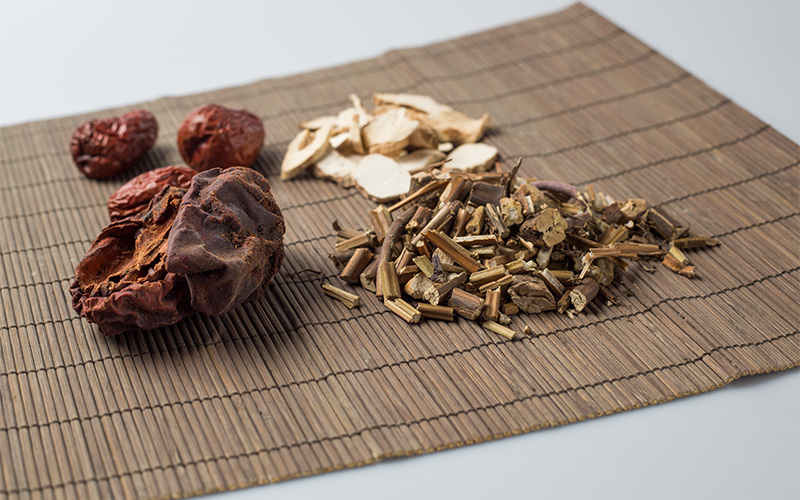
In practice, herbs are seldom used on their own. Formulas are usually personalised according to an individual’s constitution and reproductive needs, and may be complemented by other therapies such as acupuncture, Tuina, and lifestyle adjustments. This reflects the TCM understanding that health is achieved through overall harmony rather than single treatments.
Dietary recommendations often include warming foods that support kidney Yang or ingredients that nourish blood and Yin to encourage healthy circulation. Rest, stress management, and gentle physical activity are also regarded as essential elements of a balanced approach to natural fertility support. Together, these practices illustrate how Chinese medicine and fertility are closely intertwined within a holistic framework.
Conclusion: Aligning Tradition with Personal Fertility Goals
Chinese herbal traditions hold a long history of approaches that seek to nurture balance and support reproductive wellness. While modern research continues to explore these traditional principles, many individuals appreciate how TCM offers a framework that considers both body and mind in the fertility journey.
If you are exploring Chinese herbs for fertility or wish to understand how Chinese medicine and fertility practices can complement your path, consulting a qualified TCM practitioner can help ensure that care is appropriate for your individual needs.
At 1TCM, our physicians provide personalised guidance rooted in classical Chinese medicine and wellness. Fertility treatments are thoughtfully tailored, combining herbal care, acupuncture, and lifestyle recommendations to promote balance and overall well-being.
Reach out today to learn more about how traditional, natural approaches can support your reproductive health with care and mindfulness.
