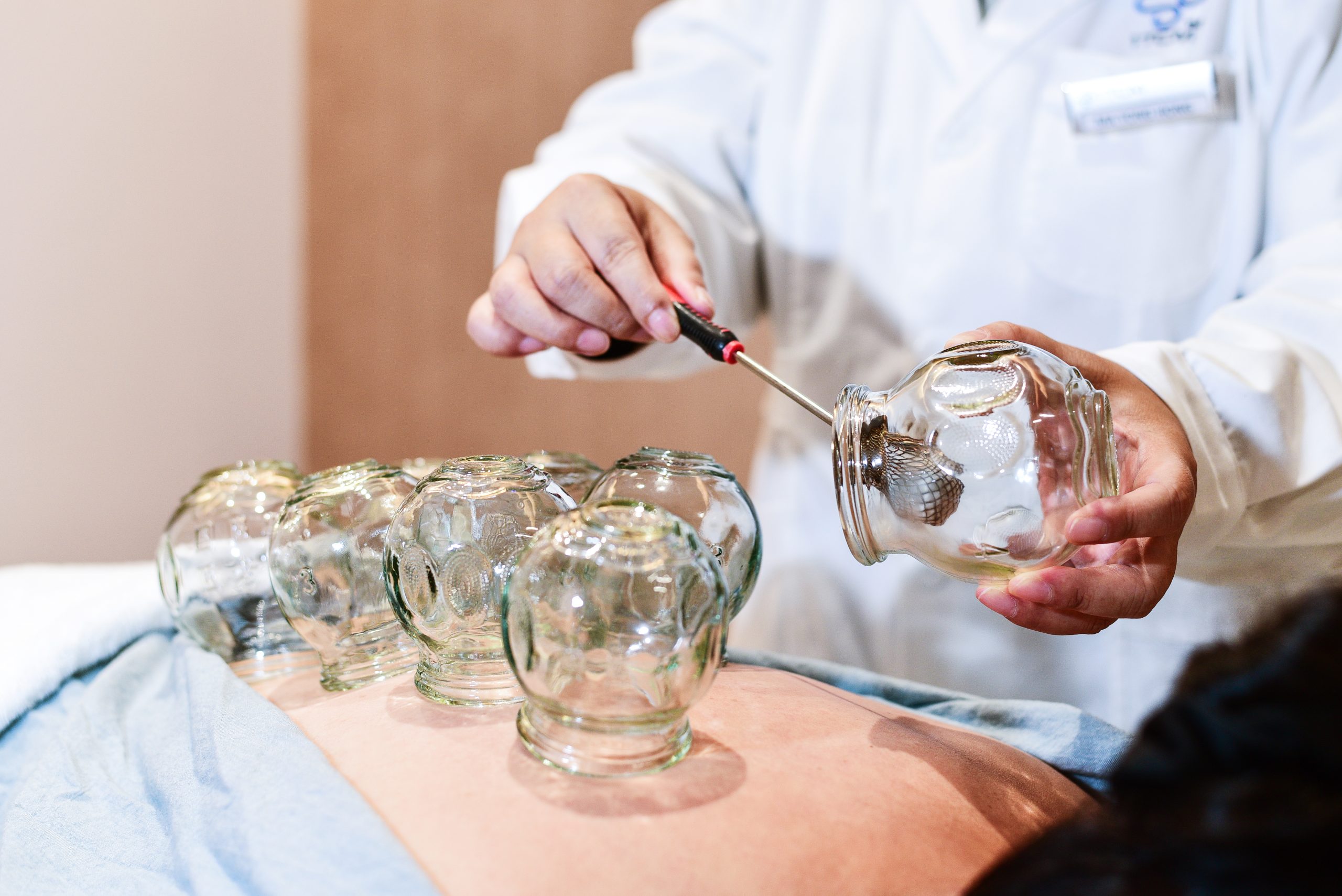
TCM assessment looks at how different systems in the body interact rather than isolating a single symptom. During consultation, the practitioner may ask about sleep patterns, digestion, stress levels, menstrual cycles, pain patterns, and overall energy levels. Physical observations such as pulse and tongue appearance are also used to understand internal imbalances. This approach helps identify patterns that may contribute to ongoing discomfort or recurring concerns, even when symptoms appear unrelated.
A TCM consultation usually involves a detailed discussion about your health history, lifestyle, and current symptoms. This is followed by non-invasive diagnostic methods such as pulse and tongue observation. Based on these findings, the physician may suggest a combination of therapies such as acupuncture, herbal prescriptions, tuina, or lifestyle adjustments. The goal is to provide a structured plan that addresses both current symptoms and contributing factors over time.
Recurring discomfort is often viewed in TCM as a sign that the body has not fully rebalanced. Instead of focusing only on symptom relief, TCM looks at why the issue keeps returning. This may involve addressing long-term factors such as stress, diet, postural strain, or hormonal changes. For example, individuals seeking TCM for back pain may find that treatment also considers sleep habits, muscle tension, and overall circulation.
In TCM, acute issues are typically linked to recent disruptions such as physical strain, illness, or environmental factors, while long-term conditions develop gradually due to sustained imbalance. Physicians differentiate these by looking at symptom duration, frequency, and progression. Treatment plans may therefore vary, with short-term strategies for immediate discomfort and longer-term support for underlying patterns.
TCM may be considered when symptoms persist, recur, or affect daily quality of life, even if they appear mild at first. Some individuals seek TCM alongside conventional care, while others explore it for general wellbeing support. This includes reproductive and family-related care, such as those visiting a TCM fertility clinic in Singapore for cycle regulation or preparing for conception, or individuals exploring fertility acupuncture as part of a broader health plan.
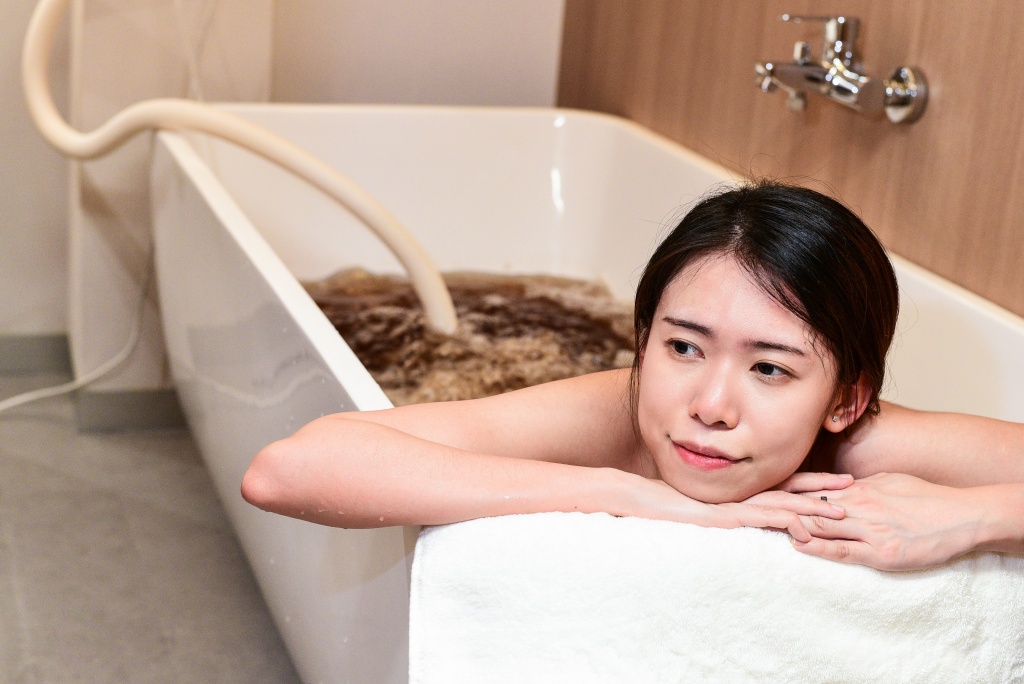
TCM support may also extend to family and prenatal care. Depending on individual needs, practitioners may recommend options such as Chinese herbs for pregnancy, a herbal bath, or prenatal massage in Singapore, always guided by consultation and suitability.
Recurring discomfort is often viewed in TCM as a sign that the body has not fully rebalanced. Instead of focusing only on symptom relief, TCM looks at why the issue keeps returning. This may involve addressing long-term factors such as stress, diet, postural strain, or hormonal changes. For example, individuals seeking TCM for back pain may find that treatment also considers sleep habits, muscle tension, and overall circulation.
Western diagnostic tests focus on measurable markers such as imaging or lab values. TCM, on the other hand, places emphasis on functional patterns and early signs of imbalance that may not yet appear in test results. This does not replace medical testing, but it can offer additional insight into how the body is coping and where support may be needed to restore balance.
Guided by Medicine, Nurturing Health & Beauty Through TCM
Information