
- Home
- Conditions
- Infertility
Infertility
Learn more about infertility, including what may be affecting fertility, common signs to look out for, and the treatment options available to support your journey towards conception.
What is Infertility?
Infertility refers to the difficulty in conceiving after 12 months of regular, unprotected intercourse. It may involve factors from either partner and can be influenced by hormonal, structural, or lifestyle-related causes.
TCM Perspective on Infertility
In Traditional Chinese Medicine, infertility often stems from imbalances in qi, blood, and organ systems such as the kidneys, liver, and spleen. Blockages, deficiencies, or stagnation may affect the reproductive environment. TCM assessment focuses on restoring balance, improving circulation, and supporting the body’s natural fertility.
Why Understanding Infertility Matters
Understanding infertility helps individuals identify early signs, seek timely support, and explore suitable treatment options. Awareness empowers couples to make informed decisions, reduce emotional stress, and improve the chances of a healthy conception journey.
Infertility Symptoms & Triggers
Common Signs Associated with Infertility
Common signs may include irregular menstrual cycles, very light or heavy periods, painful ovulation, recurrent miscarriages, or difficulty conceiving despite regular intercourse. In men, symptoms may involve low libido, erectile challenges, or changes in semen quality.
Underlying Factors Influencing Infertility
Infertility can stem from hormonal imbalances, ovulation issues, blocked fallopian tubes, low sperm count, chronic stress, underlying medical conditions, or lifestyle factors such as poor sleep, smoking, or nutritional deficiencies. Age also plays a significant role in fertility potential.
Emotional & Psychological Factors
Stress, anxiety, and emotional strain may disrupt hormonal balance and affect reproductive health. The pressure to conceive can also intensify emotional distress, creating a cycle that influences both physical and mental well-being during the fertility journey.
How Infertility Is Assessed
Medical Evaluation for Infertility
Medical assessments typically include hormone testing, ovulation tracking, ultrasound scans, and semen analysis. Doctors may also check for structural concerns such as blocked fallopian tubes, uterine abnormalities, or conditions like PCOS or endometriosis to determine the underlying cause.
TCM Assessment for Infertility
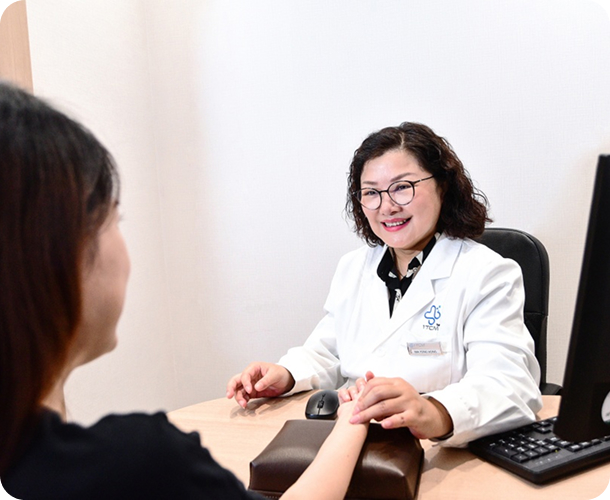
TCM practitioners evaluate fertility by examining qi, blood, and organ harmony through pulse reading, tongue diagnosis, and symptom patterns. This helps identify deficiencies, stagnation, or imbalances affecting reproductive health, guiding a personalised treatment plan to support conception.

Infertility Treatment & Support Options
TCM Therapies for Infertility
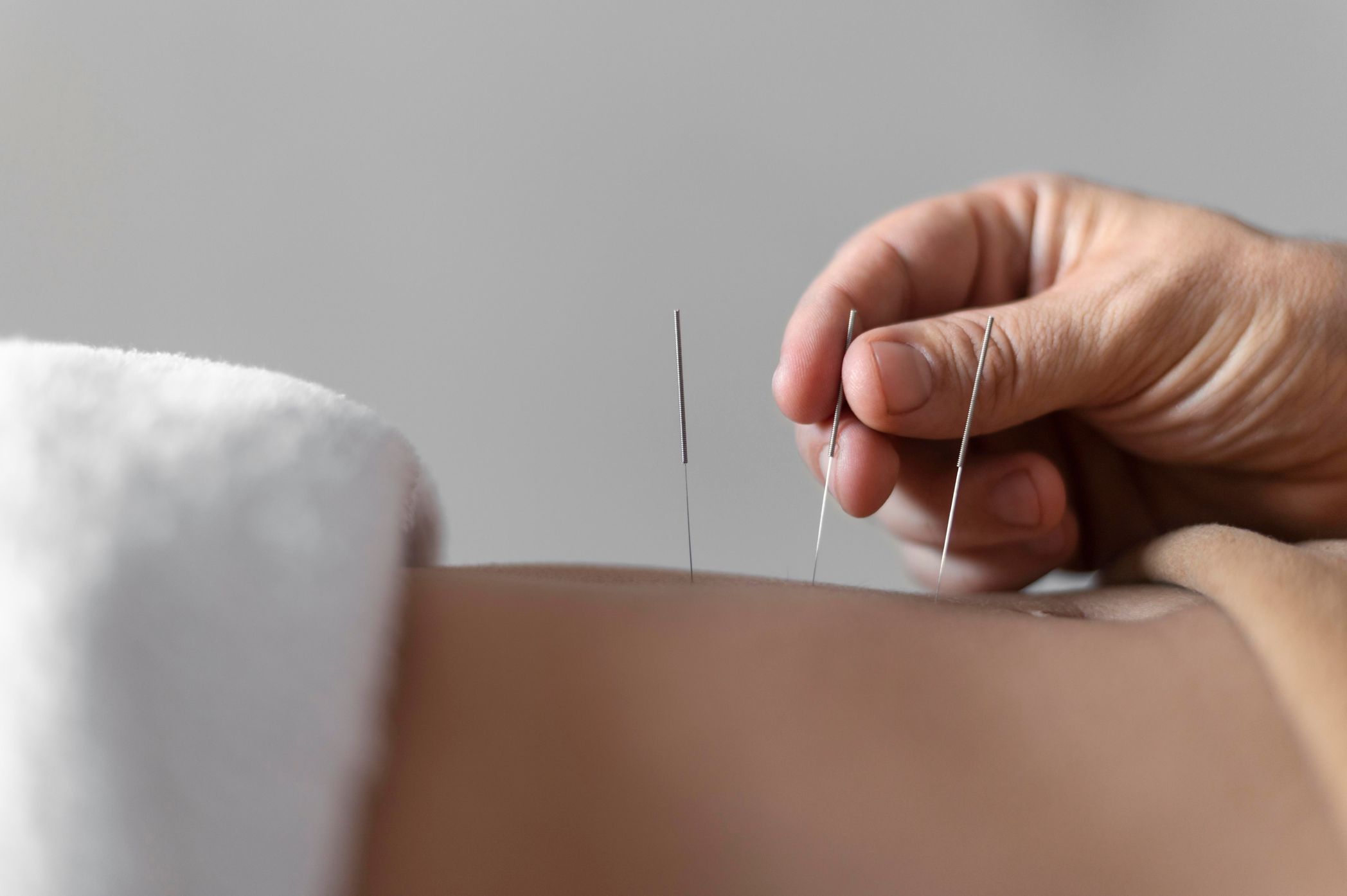
TCM approaches focus on regulating menstrual cycles, improving ovulation, supporting uterine health, and enhancing overall reproductive balance. Many couples also explore IVF fertility acupuncture to complement assisted reproductive treatments.
Biomedical & Assisted Reproductive Options
Biomedical care may include fertility medications, hormonal therapy, IUI, IVF, diagnostic imaging, and surgical interventions when needed. Some individuals pair these treatments with guidance from TCM fertility clinics in Singapore for holistic support.
Complementary Therapies in Infertility
Stress-reduction practices, gentle exercise, nutrition planning, and mind–body therapies can improve hormonal balance and reproductive wellness.
Infertility Self-Care & Prevention
Lifestyle & Nutrition for Fertility Health
Balanced nutrition, steady blood sugar, adequate hydration, and regular moderate exercise all support hormonal balance and reproductive wellness. A diet rich in whole foods, antioxidants, and healthy fats can help improve overall fertility health.
Stress Reduction & Emotional Well-Being
High stress can disrupt hormonal regulation and affect both male and female fertility. Mindfulness practices, proper rest, counselling support, and consistent relaxation routines help regulate the nervous system and create a healthier environment for conception.
Male Partner Health & Shared Responsibility
Male fertility plays an equal role in conception. Factors such as sleep quality, exercise, stress levels, and nutritional intake influence sperm health. Chinese herbs for male fertility may help support reproductive vitality.
Home Practices for Fertility Support
Simple daily habits such as maintaining a warm abdomen, reducing exposure to toxins, getting adequate sunlight, and tracking menstrual or fertility cycles can support reproductive balance. Consistency helps create an environment more favourable for conception.

When to See a Doctor for Infertility
When To Consider Fertility Assessment
Couples who have been trying to conceive for 12 months (or 6 months if the woman is over 35) should consider a fertility evaluation. Irregular periods, painful cycles, or known reproductive conditions also warrant early assessment. Some women explore supportive wellness options, such as a prenatal massage trial, when preparing their body for a healthier conception journey.
Red Flag Symptoms That Require Immediate Attention
Severe pelvic pain, sudden abnormal bleeding, fever, foul-smelling discharge, or signs of infection should be reviewed urgently. These symptoms may indicate complications that can affect fertility and require timely medical care.
Frequently Asked Questions About Infertility
Can TCM support fertility while undergoing IVF or other assisted reproduction?
Yes. Many couples in Singapore use TCM fertility treatments to complement IVF by improving circulation, regulating menstrual cycles, and reducing stress.
How long does it take for TCM interventions to affect fertility?
Results vary based on age, health, and underlying patterns. Many individuals experience improvements over several menstrual cycles. TCM for women’s health also supports broader wellness.
Does male factor infertility affect treatment options?
Yes. Low sperm count, motility issues, or hormonal imbalances can influence both diagnosis and treatment planning. Some couples explore additional support options such as Chinese herbs for fertility to complement medical care.
After a successful pregnancy, is there a need to continue fertility-focused care?
Post-pregnancy care helps stabilise hormones, support recovery, and ease breastfeeding discomforts. Some mothers also seek comfort therapies like breast massage in Singapore to manage blocked ducts and postnatal tension.
