
- Home
- Conditions
- Postnatal
Postnatal Recovery
Discover what to expect during postnatal recovery and the treatments that support healing, strength, and a smoother return to daily activities.
What is Postnatal Recovery?
Postnatal recovery refers to the period after childbirth, typically the first six weeks, when the body gradually returns to its pre-pregnancy state. During this time, physiological systems adjust, including hormonal regulation, uterine involution, perineal or surgical wound healing, and the initiation of breastfeeding.
TCM Perspective on Postnatal Recovery
In Traditional Chinese Medicine (TCM), this phase is known as chan hou (产后). Childbirth is believed to consume a significant amount of qi, blood, and kidney essence, leaving the body in a more vulnerable state. This may result in fatigue, emotional fluctuations, digestive changes, or musculoskeletal discomfort. TCM assessment focuses on restoring balance and strengthening the body.
Why This Stage Matters for Long-Term Well-Being?
Both biomedical and TCM frameworks emphasise the importance of adequate rest, nutrition, and support during this phase. Proper recovery helps reduce postnatal complications, supports emotional health, and contributes to long-term physical resilience.

Common Physical Symptoms During Postnatal Recovery
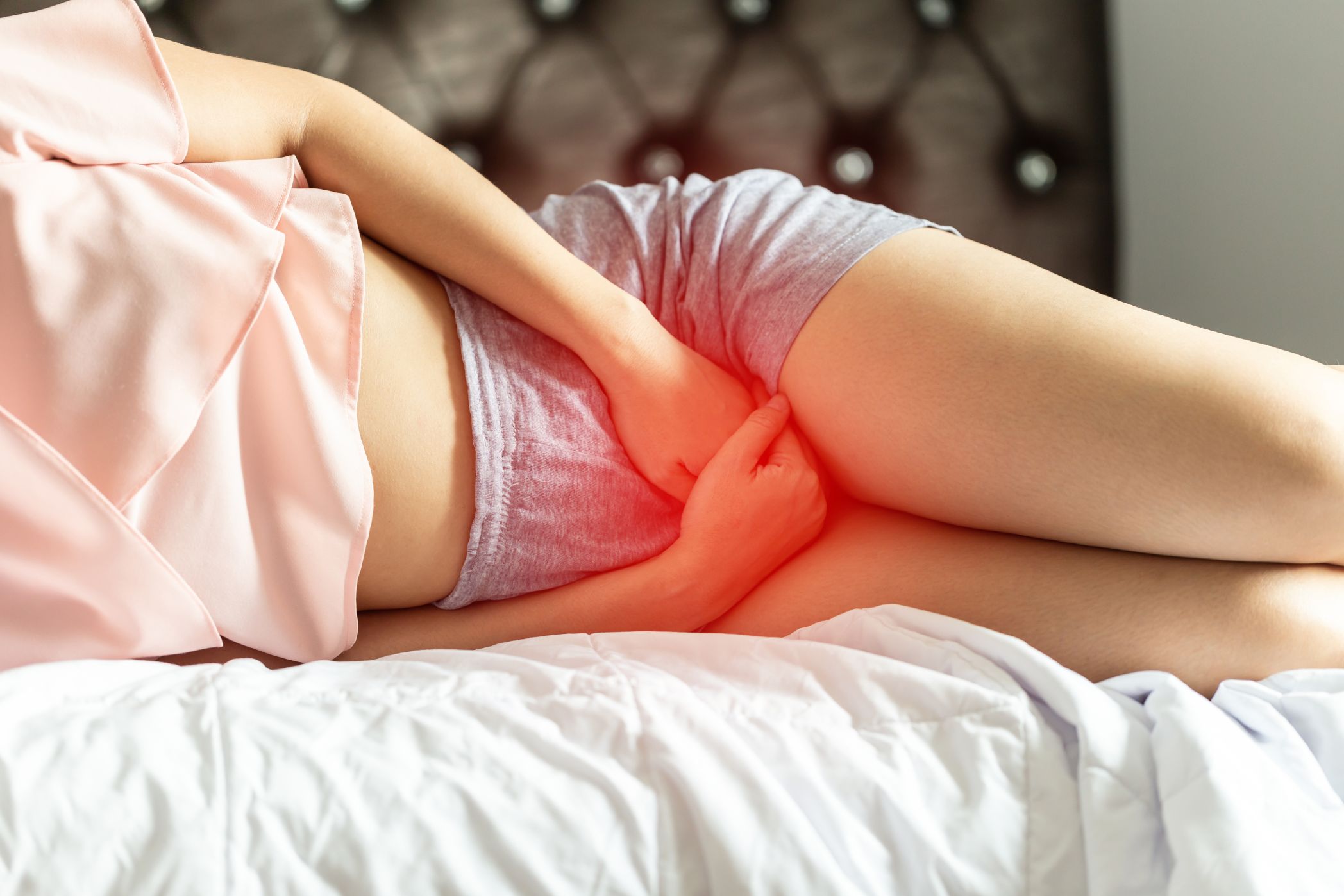
Physical changes may include pelvic discomfort, abdominal weakness, back pain, perineal soreness, C-section wound sensitivity, breast engorgement, hormonal shifts, and general fatigue. These symptoms arise as the body works to heal tissues, regulate hormones, and return to pre-pregnancy balance.
Emotional & Cognitive Changes in Postnatal Recovery
Many mothers experience mood fluctuations, heightened stress, difficulty concentrating, or increased emotional sensitivity. These changes are influenced by sleep disruption, hormonal changes, breastfeeding demands, and the psychological adjustment to caring for a newborn.
Factors That Influence Postnatal Recovery
Recovery varies based on delivery method, sleep quality, nutrition, emotional support, physical activity levels, pre-existing conditions, and postnatal care practices. Stress, poor rest, or inadequate support may slow healing, while proper care enhances resilience and well-being.
How Postnatal Recovery Is Assessed
Medical Evaluation for Postnatal Recovery
Medical assessment typically includes checking vital signs, uterine involution, wound healing (including C-section or perineal stitches), breastfeeding progress, and mental well-being. Healthcare providers may also review symptoms such as excessive bleeding, persistent pain, or emotional distress to ensure safe recovery.
TCM Assessment for Postnatal Recovery
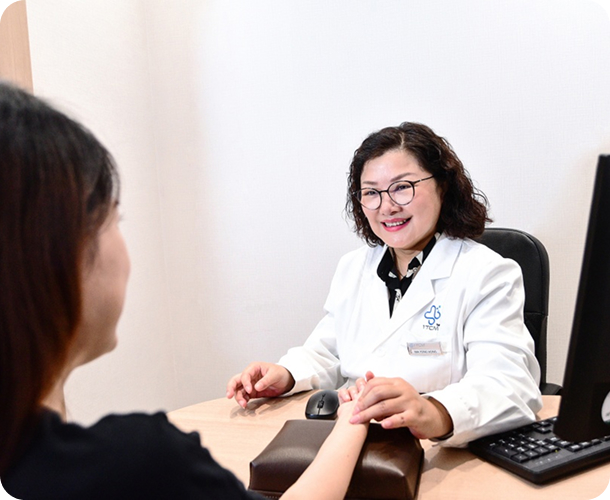
In TCM, practitioners evaluate qi, blood, and organ balance through pulse reading, tongue diagnosis, and symptom patterns. This helps identify deficiencies or stagnation contributing to fatigue, emotional changes, digestive discomfort, or musculoskeletal tension, guiding personalised recovery support.
Postnatal Recovery Treatment Options
TCM Therapies Supporting Postnatal Recovery
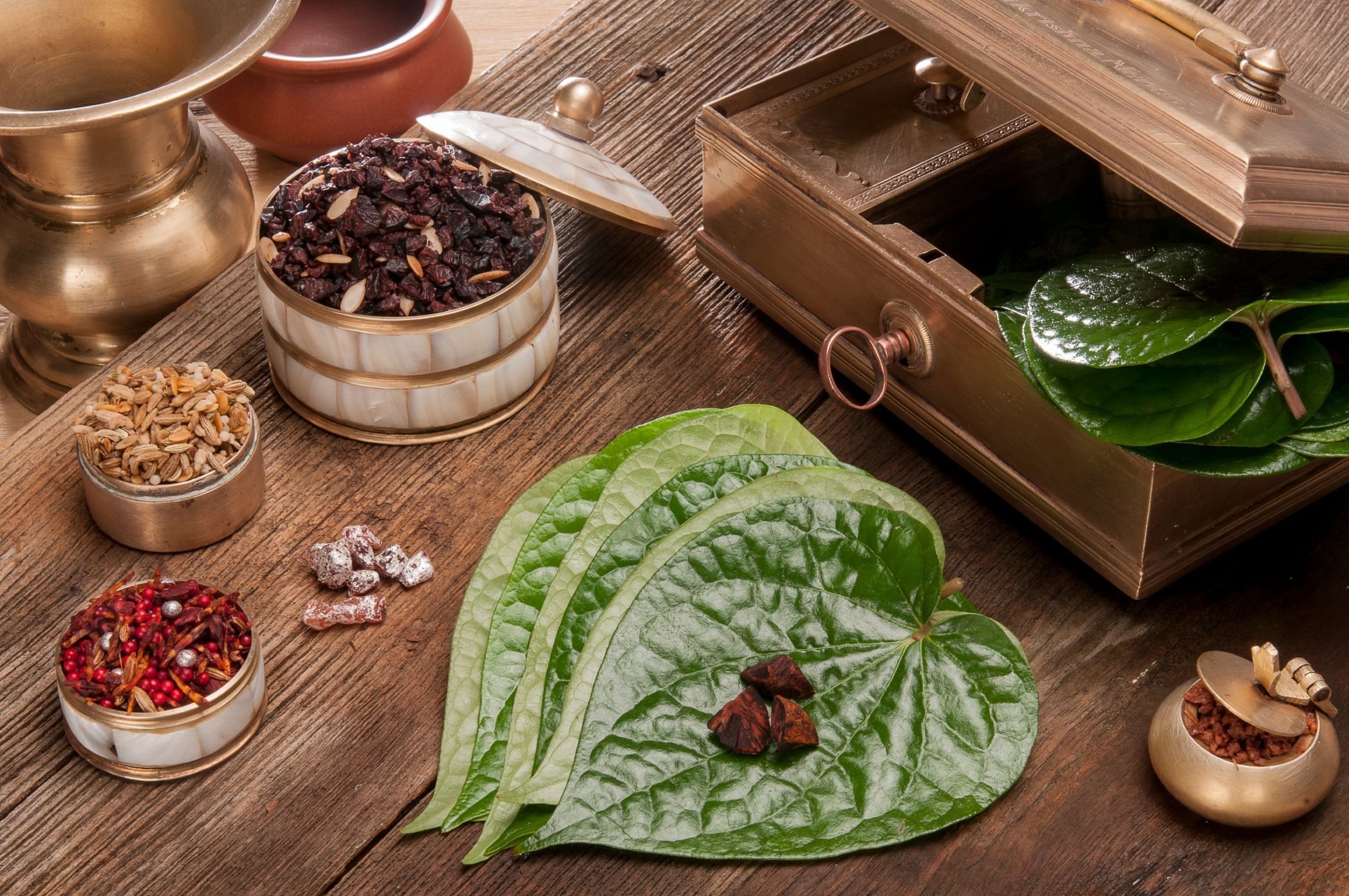
TCM postnatal care focuses on replenishing qi and blood, easing musculoskeletal tension, improving circulation, and supporting emotional balance. Techniques such as herbal prescriptions, acupuncture, and postnatal massage are commonly used. Many mothers also seek support for breastfeeding comfort, where options like breast massage in Singapore can help ease engorgement and improve overall recovery.
Biomedical & Supportive Care for Postnatal Recovery
Biomedical care focuses on wound healing, hormonal regulation, mental wellness, and monitoring for complications such as infections or severe pain. Supportive methods like balanced nutrition, adequate rest, physiotherapy, and breastfeeding guidance also play important roles. Mothers experiencing engorgement or blocked ducts may benefit from techniques such as breast massage to increase milk.
Postnatal Recovery Self-Care & Prevention
Nutrition for Postnatal Recovery
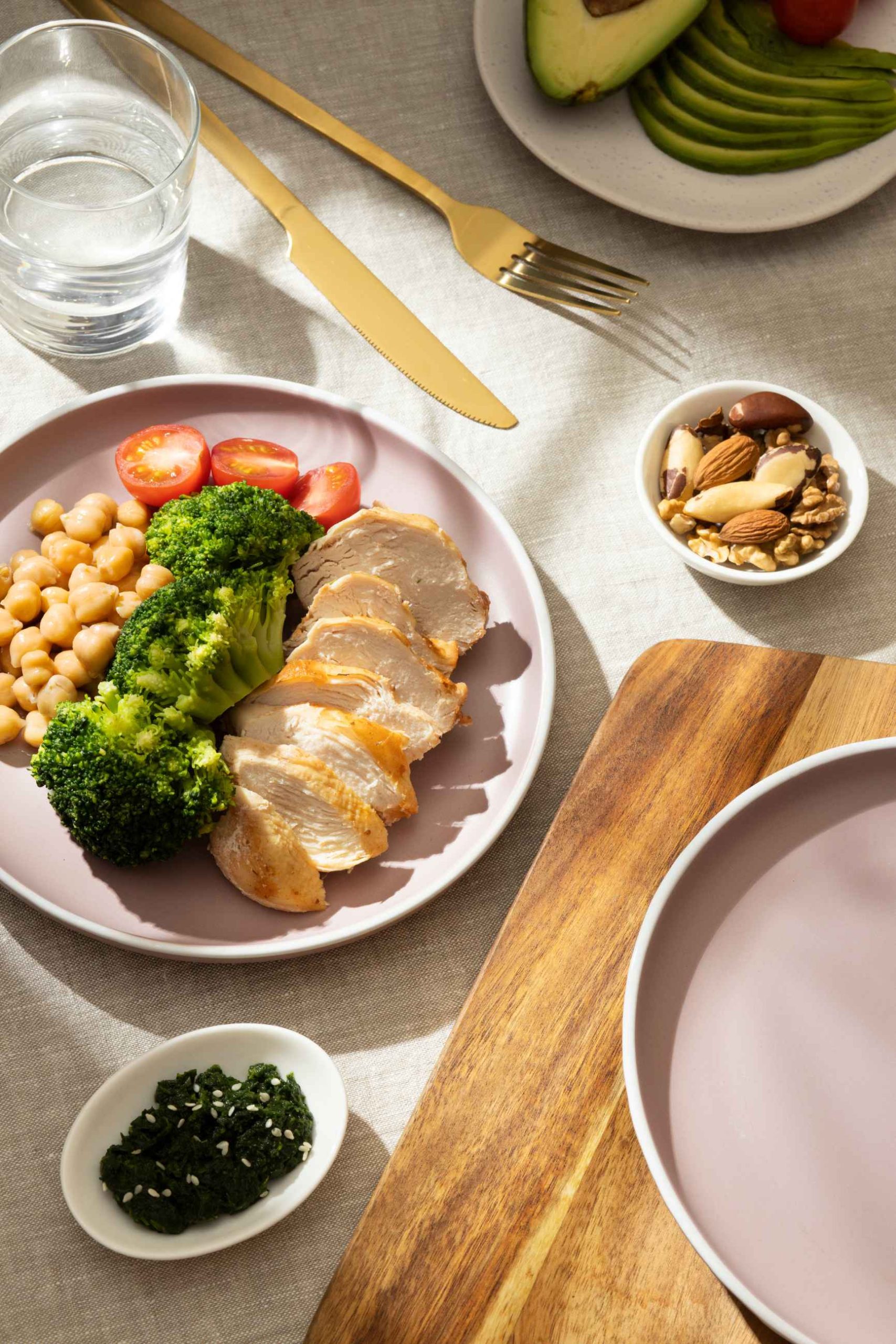
Nourishing meals rich in protein, iron, healthy fats, and warm foods support tissue healing, hormone regulation, and energy levels. Hydration is equally important, especially for breastfeeding mothers who require additional fluids for milk production.
Rest & Physical Activity in Postnatal Recovery
Adequate rest is essential during the early weeks. Light stretching and gentle walks may be introduced gradually, depending on delivery type and medical clearance. Avoid strenuous exercises until the body has sufficiently healed.
Emotional Well-Being After Childbirth
Emotional changes are common due to hormonal shifts, fatigue, and the adjustment to caring for a newborn. Support from family, open communication, and professional guidance when needed can help mothers manage mood swings or heightened stress.
Home Care Practices for Postnatal Recovery
Practices such as warm baths, gentle abdominal support, proper posture during feeding, and consistent hydration can support smoother recovery. Establishing a calm home environment also helps mothers rest more deeply and heal more effectively.
When to See a TCM Physician During Postnatal Recovery
Heavy or Prolonged Postnatal Bleeding
Seek medical attention if bleeding suddenly increases, contains large clots, or persists longer than expected. This may indicate retained tissue, hormonal imbalance, or complications requiring prompt evaluation.
Fever or Signs of Infection
A persistent fever, chills, foul-smelling discharge, or worsening body aches can signal infection in the uterus, breasts, or surgical sites. Early diagnosis helps prevent further complications.
Severe Abdominal, Pelvic, or Wound Pain
Intense or escalating pain, especially around C-section incisions or the pelvic area, requires medical review. Some mothers also explore supportive therapies like female pelvic massage to ease tension.
Breast Pain, Redness, or Suspected Mastitis
Painful lumps, redness, swelling, or flu-like symptoms may indicate mastitis or blocked ducts. Early intervention helps reduce discomfort and maintain breastfeeding success.
Persistent Depressive Symptoms or Emotional Distress
Feelings of hopelessness, overwhelming sadness, constant anxiety, or difficulty bonding with the baby may suggest postnatal depression. Professional support is essential for early recovery and emotional stability.
Breathing Difficulties or Chest Discomfort
Sudden shortness of breath, tightness in the chest, or dizziness can indicate cardiovascular or respiratory complications. These symptoms require urgent medical attention.
Frequently Asked Questions About Postnatal Recovery
Is it normal to feel muscle tightness or fatigue after childbirth?
Yes. Muscle tightness, soreness, and general fatigue are common as the body heals, especially around the back, hips, and abdomen. Gentle support such as postpartum massage in Singapore may help improve circulation and ease discomfort.
How is postnatal recovery different from prenatal changes during pregnancy?
Prenatal health focuses on supporting fetal growth. On the other hand, postnatal recovery centres on healing tissues, regulating hormones, and restoring strength.
Does prenatal care influence postnatal recovery?
Yes. Good prenatal habits like nutrition, movement, and emotional support can make postnatal recovery smoother. Explore how approaches like TCM prenatal massage can support expecting mothers.
Are prenatal and postnatal massages the same?
No. They differ in techniques, goals, and safety considerations. Prenatal massage supports pregnancy comfort, while postnatal massage focuses on healing and recovery. Knowing the differences between prenatal and postnatal massages is important, as each stage of motherhood has distinct physical needs, risks, and therapeutic goals.
