
- Home
- Conditions
- Prenatal
Prenatal Health
Explore the physical changes during pregnancy and the supportive care options available to enhance comfort and overall well-being for both mother and baby.
What is Prenatal Health?
Prenatal health refers to the physical and emotional changes a woman experiences from conception to childbirth. During this period, the body undergoes continuous adaptation to support foetal development, including hormonal shifts, cardiovascular changes, and increased metabolic demands. These adjustments may influence posture, digestion, energy levels, and overall comfort.
TCM Perspective on Prenatal Health
In Traditional Chinese Medicine (TCM), pregnancy places greater demand on qi, blood, and kidney essence. Adequate nourishment and balance are essential to support both mother and foetus. Imbalances may lead to symptoms such as fatigue, nausea, digestive changes, or emotional fluctuations across the trimesters.
Why Prenatal Health Matters
Maintaining stable prenatal health helps reduce discomfort, supports foetal growth, and contributes to a smoother postnatal transition. Understanding both biomedical and TCM perspectives provides a more complete view of how to manage changes throughout pregnancy.


Prenatal Health Symptoms & Common Changes
Physical Symptoms During Pregnancy
Pregnancy often brings physical changes such as backaches, morning sickness, fatigue, water retention, breast tenderness, and shifts in posture as the body adapts to support the growing baby. These symptoms vary in intensity and duration depending on overall health, trimester, and lifestyle factors.
Emotional & Cognitive Changes in Prenatal Health
Hormonal fluctuations can lead to heightened emotions, mood swings, increased sensitivity, or difficulty concentrating. Many mothers also experience anxiety, excitement, or mental overwhelm as they prepare for childbirth and adjust to new responsibilities.
Factors That Influence Prenatal Health
Prenatal well-being is shaped by multiple factors, including nutrition, sleep quality, stress levels, pre-existing conditions, physical activity, and emotional support. External elements like work demands, environment, and overall lifestyle also play important roles in determining how smoothly pregnancy progresses.
How Prenatal Health Is Assessed
Medical Evaluation During Pregnancy
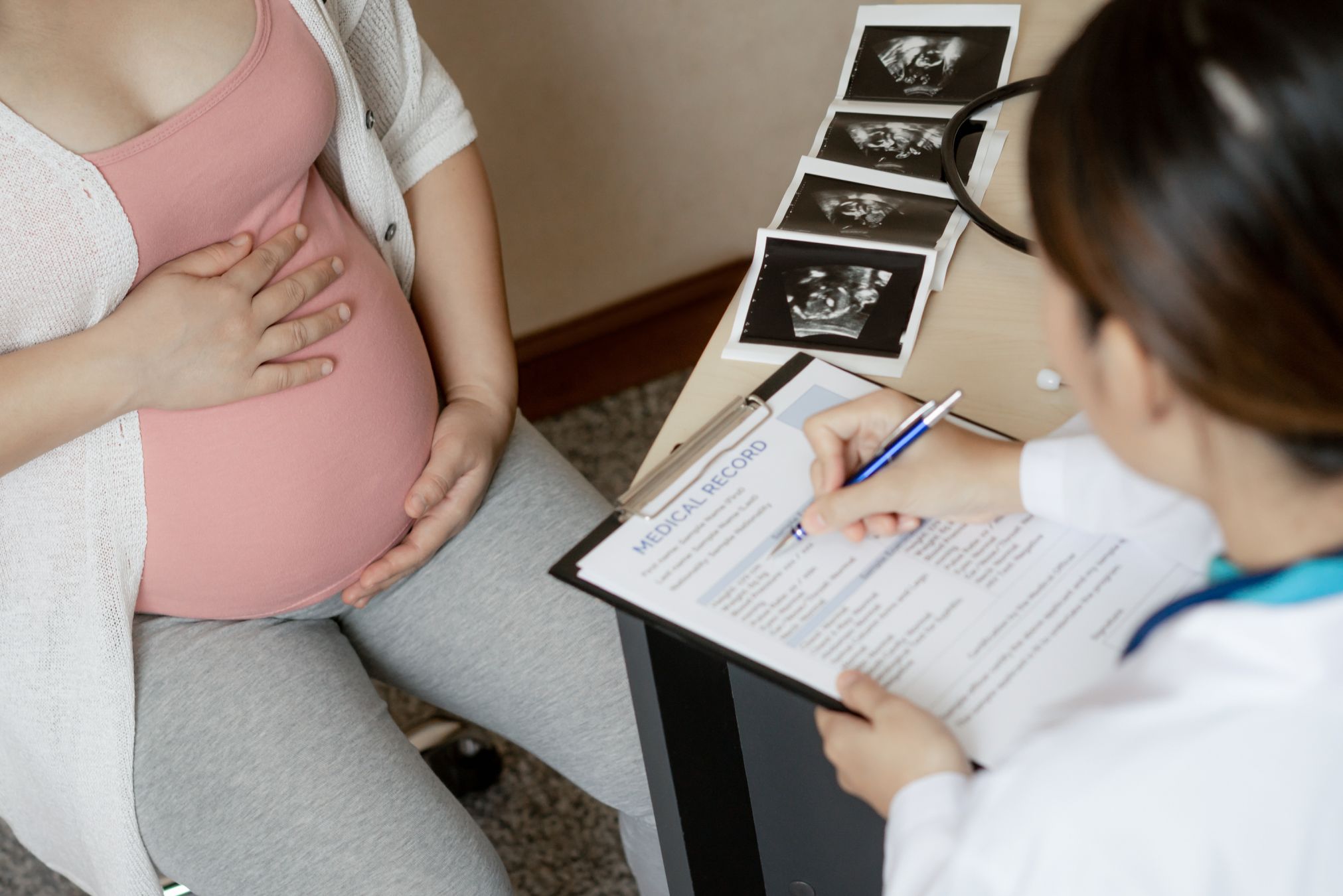
Medical evaluations typically include routine check-ups, blood pressure monitoring, ultrasound scans, blood tests, and screenings for conditions such as gestational diabetes or anemia. Doctors also assess fetal development, maternal weight changes, and overall well-being to ensure a healthy pregnancy.
TCM Assessment for Prenatal Health
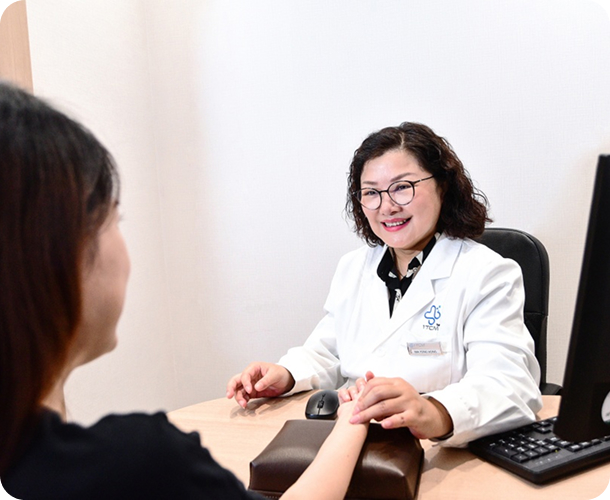
TCM assessments focus on the mother’s qi, blood, and organ balance. Practitioners observe symptoms, read the pulse, examine the tongue, and identify patterns such as qi deficiency or stagnation. These insights guide personalised care to support comfort and healthy pregnancy progression.
Prenatal Health Treatment & Support Options
TCM Therapies Supporting Prenatal Health
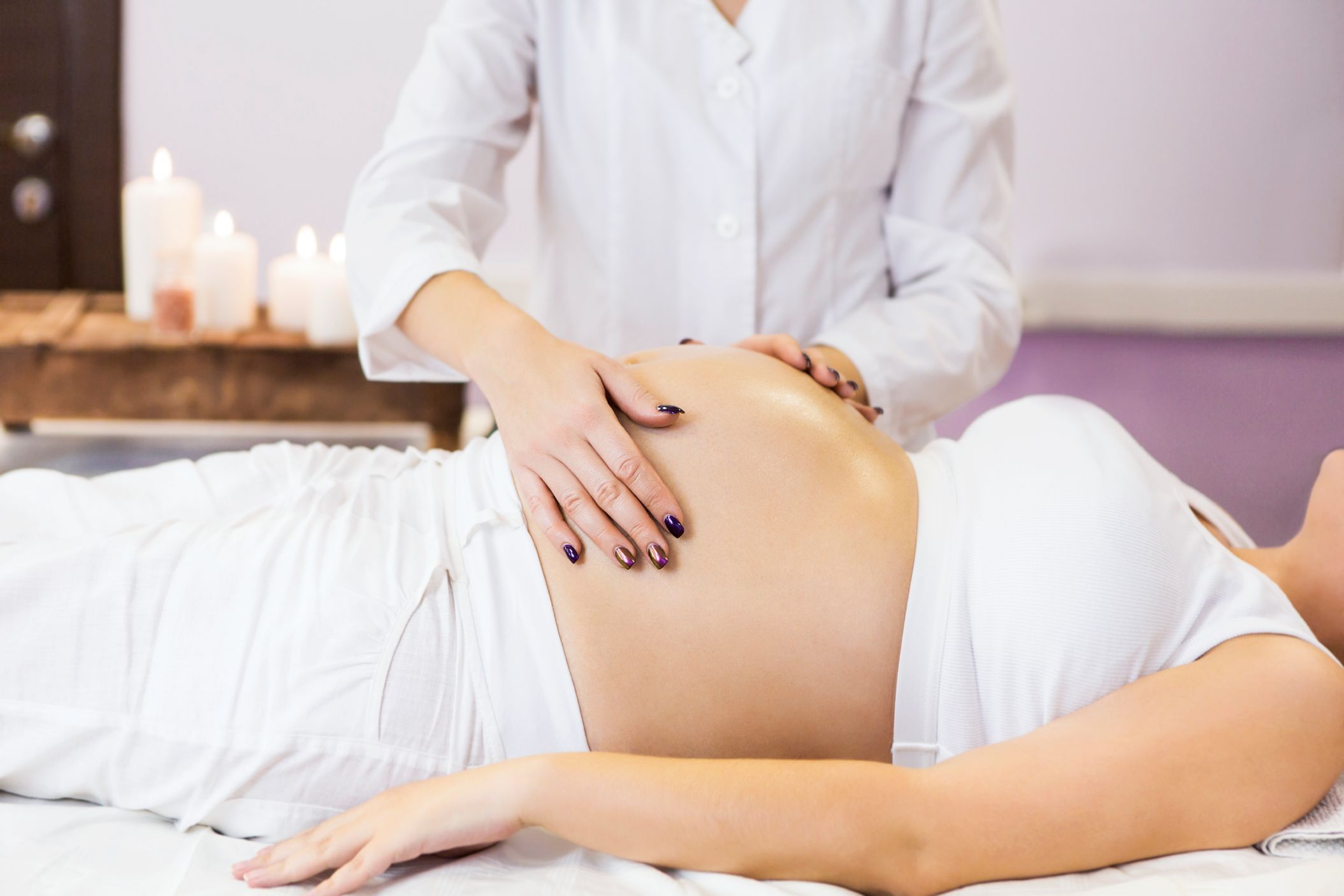
TCM care during pregnancy focuses on nourishing qi and blood, easing nausea, reducing fatigue, and supporting smoother fetal development. Many mothers also seek prenatal massage in Singapore to relieve back tension and support circulation.
Biomedical & Supportive Care in Prenatal Health
Biomedical care includes routine antenatal check-ups, nutritional guidance, supplements, and monitoring for common pregnancy concerns. Some expectant mothers also complement medical care with TCM prenatal massage to relieve muscle strain and support overall comfort.
Complementary Therapies in Prenatal Health
Gentle movement practices, breathing exercises, relaxation techniques, and stress-relief therapies can help mothers manage physical and emotional changes during pregnancy. Some also incorporate specialised prenatal bodywork for added comfort.
Prenatal Health Self-Care & Prevention
Nutrition for Prenatal Health
A balanced prenatal diet supports fetal development and maternal strength. Key nutrients include folate, iron, protein, omega-3s, and calcium. Eating regular meals and staying hydrated also helps manage energy levels and reduce common pregnancy discomforts.
Safe Physical Activity During Pregnancy
Gentle exercises such as walking, stretching, and pregnancy-safe strengthening help improve circulation, reduce back pain, and support overall mobility. Activities should be adapted to each trimester and performed with medical guidance when necessary.
Emotional Well-Being in the Prenatal Stage
Hormonal shifts can bring emotional ups and downs. Supportive conversations, adequate rest, mindfulness practices, and a balanced routine can help expecting mothers manage stress and maintain emotional stability throughout pregnancy.
Home Care Practices for Prenatal Health
Creating a restful environment, maintaining good posture, using supportive pillows, and adopting gentle relaxation techniques can ease discomfort. Simple daily habits also encourage smoother recovery between appointments and support ongoing comfort.

When to See a Doctor During Pregnancy
Severe or Persistent Abdominal Pain
Strong, ongoing abdominal pain may indicate complications such as placental issues, preterm labour, or digestive distress. Seek medical attention immediately if the pain intensifies or does not improve with rest.
Heavy Vaginal Bleeding or Sudden Fluid Leakage
Heavy bleeding, passing clots, or sudden gushes of fluid require urgent evaluation. These symptoms may be linked to premature membrane rupture or other conditions that need prompt medical care.
Persistent Severe Headaches or Vision Changes
Severe headaches, blurred vision, flashing lights, or swelling can signal high blood pressure or preeclampsia. These symptoms should never be ignored and need immediate assessment.
High Fever or Signs of Infection
A high or lingering fever, chills, burning during urination, or unusual discharge may indicate infection. Early treatment helps protect both mother and baby from complications.
Reduced Foetal Movement
A noticeable decrease in foetal movement—especially after 28 weeks—should be assessed by a healthcare provider. Babies typically follow a consistent activity pattern as pregnancy progresses.
Breathing Difficulties or Chest Pain
Shortness of breath that feels severe, sudden, or is accompanied by chest pain requires immediate attention. These symptoms may indicate cardiovascular or respiratory concerns needing urgent care. Mothers exploring comfort-support options may also consider a prenatal massage trial to ease general pregnancy tension.
Frequently Asked Questions About Postnatal Recovery
Can prenatal discomfort continue after childbirth?
Yes. Some symptoms such as back tension, pelvic tightness, or fatigue may persist temporarily as the body heals and hormones stabilise. Learn what to expect during postnatal recovery for peace of mind.
Are TCM therapies safe to use during pregnancy?
When performed by trained practitioners, many TCM techniques are gentle and pregnancy-appropriate. Our prenatal massage in Novena and West Mall aims to mothers ease discomfort during pregnancy.
Do prenatal symptoms influence postpartum recovery?
Yes. Prenatal issues like muscle weakness, poor sleep, or high stress may affect the early postpartum period. Postnatal support methods like postnatal massage and postpartum massage can help ease recovery.
How is prenatal massage different from postnatal massage?
Prenatal massage focuses on pregnancy-safe techniques and comforting support, while postnatal massage targets healing, muscle relief, and recovery. Understanding the differences between prenatal and postnatal massages may help you decide a suitable approach.
